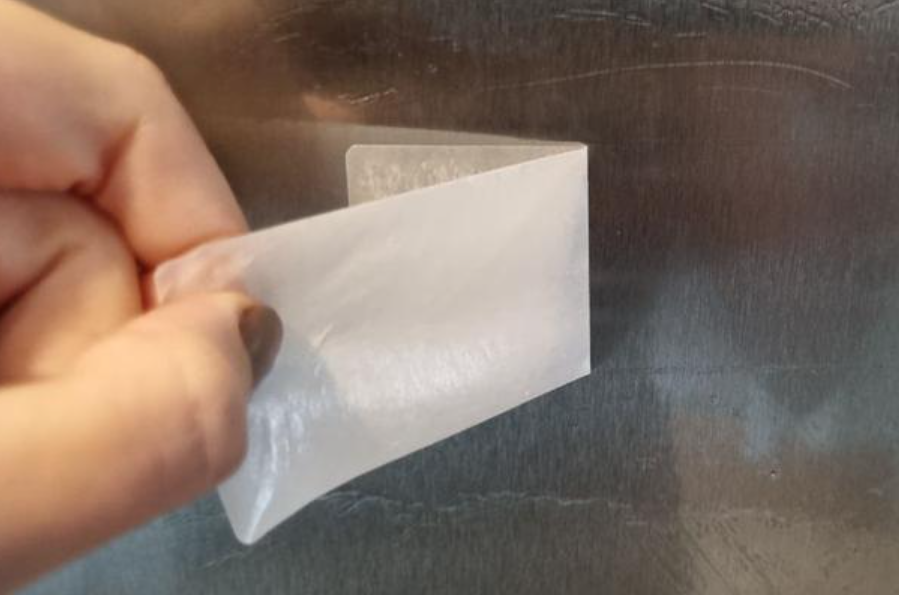
You peel a price sticker off a new jar, remove protective tape from a window, or take down packing tape after a move — and a sticky patch is left behind. At first, it may be barely noticeable. But it quickly collects dust, lint, and fingerprints. Before long, it can seem impossible to remove.
I used to pick at the residue with my fingernail, rub it with a dry sponge, or reach for the rough side of a cleaning pad. The more I scrubbed, the worse the surface looked. Then I discovered a gentler approach that can lift sticky residue without harsh fumes or unnecessary scratches.
Why Water Won’t Remove Tape Residue
To understand how to remove tape residue from plastic, it helps to know why water alone doesn’t do the trick. Most adhesive tape uses an acrylic- or rubber-based adhesive designed to stick firmly to smooth surfaces — not dissolve during routine cleaning.
Water can wash away dust around the sticky patch, but it usually does little to break down the adhesive itself. A damp cloth may make the residue look less noticeable for a moment, only for it to start attracting dirt again once the surface dries. Rather than repeatedly washing the same spot, try a method that softens the adhesive.
Sticky tape residue is especially noticeable on white plastic, glass, refrigerators, kitchen cabinet doors, and food storage containers. A dark, grimy-looking streak can make an otherwise clean item look neglected, even though it may take only a few minutes to remove.
The Simple Kitchen Staple That Can Help
Ordinary cooking oil can be a gentle way to loosen tape adhesive. Sunflower, olive, or another food-grade oil gradually softens the sticky layer and reduces its grip on the surface. As the adhesive loosens, it may start to roll into small bits that are easier to wipe away.
This method is particularly useful for removing tape residue from plastic. Unlike many solvents, cooking oil has little to no harsh odor and is less likely to harm smooth surfaces. As with any cleaning method, use care around children and pets, and keep the oil away from areas where it could create a slipping hazard.
Once, after I bought a new appliance, I found a wide strip of shipping-label residue on the door. I was about to reach for a stronger cleaner but noticed that the finish looked delicate. A few drops of oil, a soft cloth, and a little patience removed the residue without leaving cloudy marks.
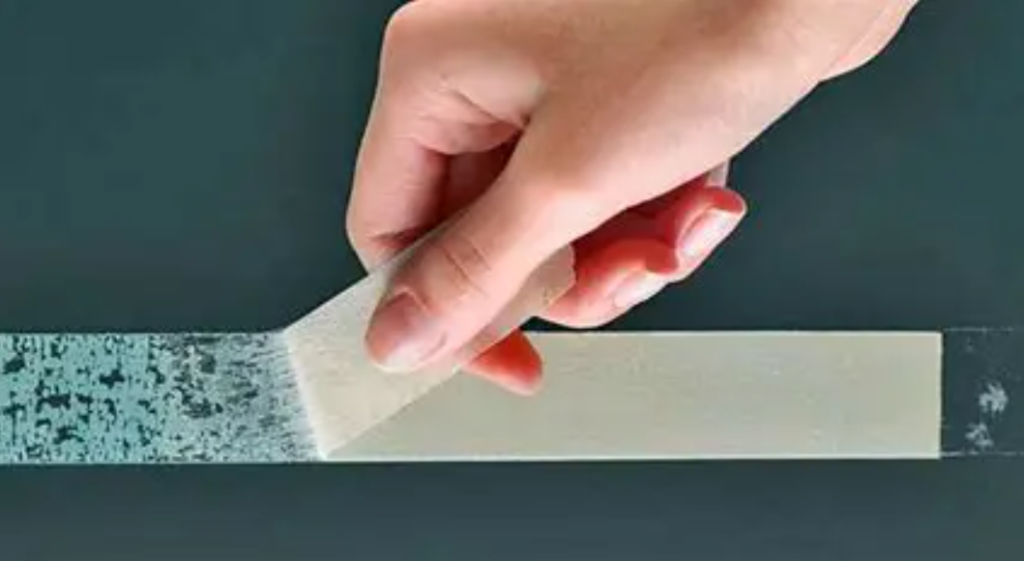
How to Remove Tape Residue Without Scratching the Surface
If you’re wondering how to remove sticky tape residue quickly and gently, gather a little cooking oil, a cotton pad or soft cloth, and some dish soap. You’ll use the dish soap at the end to remove the oily film.
1. Apply a few drops of oil to a cotton pad or directly to the sticky area. Use just enough to lightly coat the adhesive.
2. Press the cloth or pad against the residue and let it sit for about 1 minute.
3. Rub gently in small circles. Don’t press hard or try to scrape the adhesive off with your fingernail.
4. As the glue loosens, it should roll into small bits or transfer to the cloth. For old, dried-on residue, repeat the treatment as needed.
5. Wipe the area with a damp cloth and a small amount of dish soap to remove the oil.
6. Dry with a clean cloth. This is especially important on glass, where water spots and streaks can show.
Removing Tape Glue from Glass, Plastic, and Other Surfaces
People often wonder how to remove tape glue from glass after a holiday, home improvement project, or seasonal decorating. Glass may seem tough enough to clean with a razor blade or knife, but sharp tools can leave fine scratches — particularly visible in direct sunlight.
Cooking oil can help loosen residue on glass jars, mirrors, windows, cabinet doors, and ceramic tile. After treating the adhesive, wash the glass with warm water and a drop of dish soap, then dry it with a lint-free cloth to restore its clear, polished appearance.
Take extra care with plastic. Some types can be damaged by acetone, solvents, and strong alcohol-based cleaners. They may become cloudy, discolored, cracked, or scuffed. If you’re unsure whether a product is safe, test it on a small, hidden area first.
For painted, lacquered, or high-gloss finishes, start cautiously. Oil is generally a mild option, but test it on an inconspicuous spot and check the surface before treating a larger area. This is particularly important for furniture, appliances with decorative coatings, and car trim.
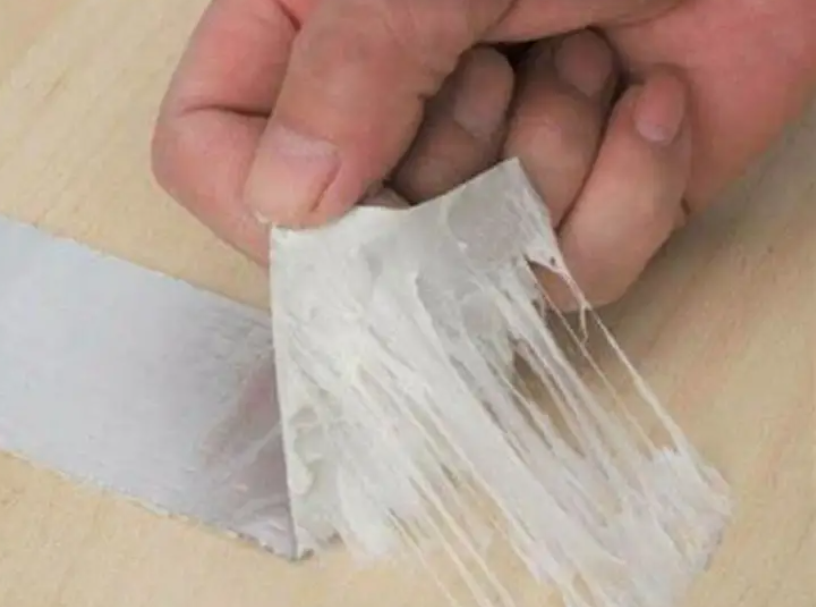
What Not to Use on Sticky Residue
Knives, razor blades, steel wool, and rough scouring pads can seem like quick fixes. They may lift the adhesive, but they can also scratch or damage the finish. Dirt can then settle into those scratches, making the area look worse than before.
Use acetone cautiously, too. It can dissolve many adhesives, but it may also damage plastic, paint, lacquer, and printed designs. Nail polish remover isn’t always a safe substitute: in addition to acetone, it may contain dyes, fragrances, or other ingredients that leave marks.
Baking soda is sometimes suggested as a cleaning solution, but its particles can act as an abrasive. It may be suitable for some durable, matte ceramic surfaces, but it can scratch clear plastic, mirrors, chrome, and glossy finishes. The more delicate the surface, the gentler your cleaning method should be.
How to Prevent Tape Residue in the Future
Don’t leave fresh sticker or tape residue to deal with later. Fresh adhesive is usually easier to remove than residue that has collected dust and hardened. Wipe it promptly with a soft cloth and a few drops of oil, then wash away the oily film with dish soap and water.
If tape often leaves marks on windows, furniture, or boxes, look for products labeled “removable” or “easy release.” For jars and storage containers, remove price stickers before the adhesive has dried and bonded firmly to the surface.
Sometimes the simplest option is the most practical: cooking oil can help remove sticky tape residue without scratching the surface or reaching for harsh chemicals. What do you use to clean up adhesive after removing tape?