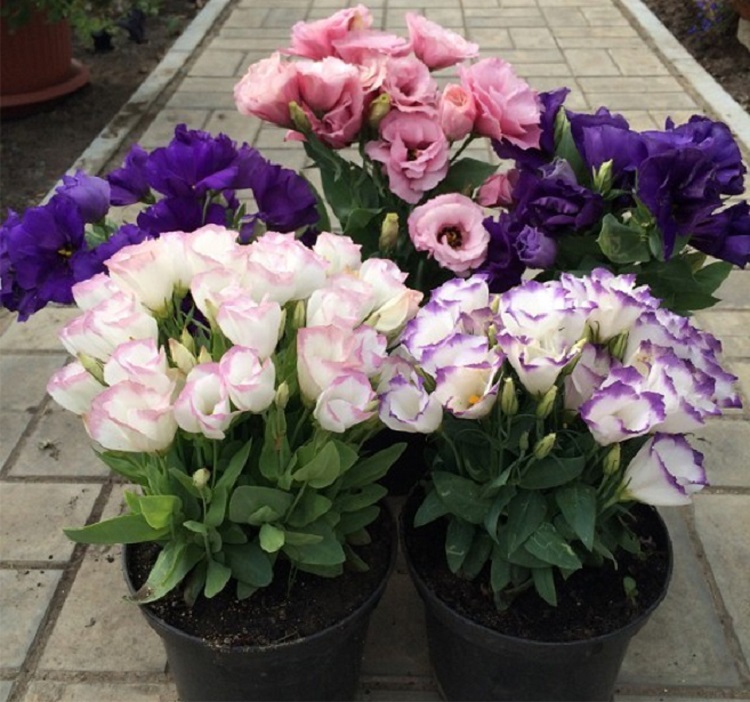
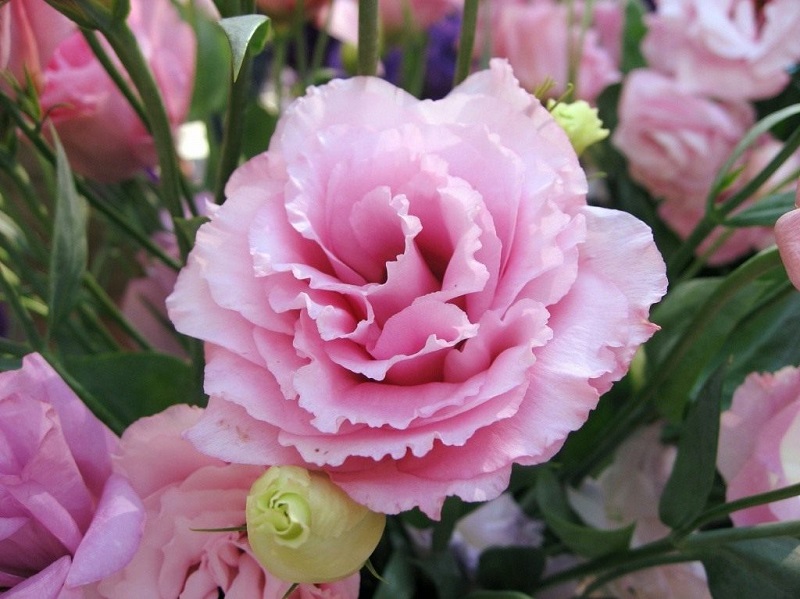
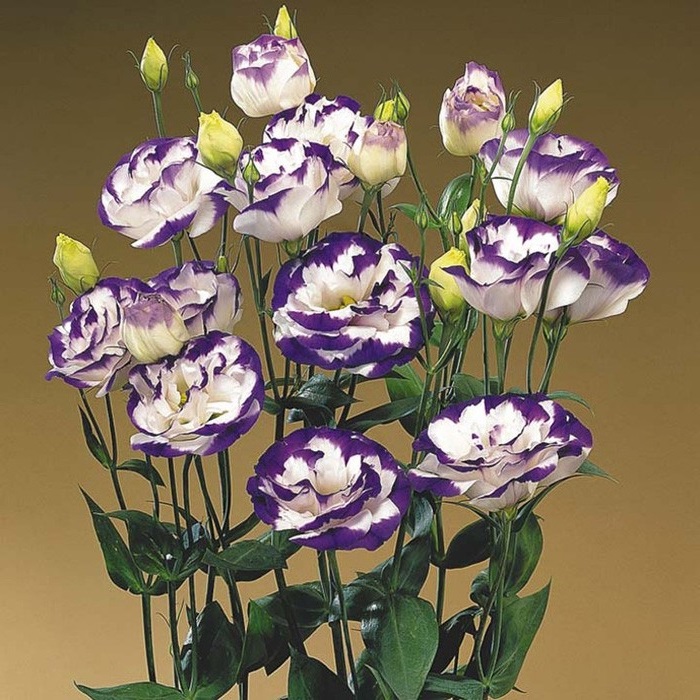
With their silky, rose-like petals and soft, graceful colors, lisianthus flowers look almost too lovely to grow from a tiny seed. Also known as eustoma, lisianthus is prized for its elegant blooms, which appear in shades of white, pink, lavender, and blue. A bouquet may look like a handful of perfect little roses—and the flowers are just as beautiful in a garden bed or a sunny spot at home.
I’ll be honest: growing lisianthus from seed takes patience. The seeds are extremely small, seedlings start out delicate, and the plants need a long growing season. But with an early start, gentle watering, and the right amount of light, you can raise these elegant flowers at home. Here’s how to get started.
Why Grow Lisianthus from Seed?
Lisianthus can be difficult to propagate from cuttings, so starting with seed is a practical option for home gardeners. The seeds are tiny—almost dust-like—and seed packets may contain only a small number. That can make sowing feel a little intimidating, but each seed has the potential to grow into a beautiful flowering plant.
The most important thing to know is that lisianthus grows slowly. Start seeds indoors well before your last spring frost so the seedlings have time to develop before the outdoor growing season. For many gardeners, that means sowing in winter, often in January. Check the seed packet and your local frost dates to plan the best timing for your area.
What You’ll Need
⦁ Lisianthus seeds
⦁ A small container about 3 inches deep, with drainage holes
⦁ A loose, airy seed-starting mix
⦁ A little fine sand, if needed to improve drainage
⦁ A spray bottle, pipette, or small watering can
⦁ Clear plastic wrap or a transparent lid
⦁ Plant labels and a pencil
⦁ A warm, bright place for germination
⦁ A grow light, if natural light is limited
⦁ Small pots for transplanting seedlings
A light, well-draining seed-starting mix is a good choice. The original method suggests using potting mix made for African violets or gloxinia, with a little sand added. A quality seed-starting mix can work too, as long as it stays airy and doesn’t become waterlogged.
When to Sow Lisianthus Seeds
Lisianthus seedlings develop slowly, so an early indoor start gives them a better chance of blooming during the growing season. The source method recommends sowing in early January, around the same time as many types of carnation.
Your ideal sowing date depends on your climate, the variety, and the directions on the seed packet. In colder regions, starting indoors in winter may be helpful. In warmer areas, follow the packet’s timing and avoid sowing so early that seedlings outgrow their indoor space before it’s warm enough to move them outside.
How to Sow Lisianthus Seeds
Lisianthus seeds are very small, so take your time as you sow. A well-lit surface and a steady hand can make the task easier.
1. Prepare the container. Make sure it has drainage holes. Fill it with about 1½–2 inches of lightly moistened seed-starting mix. Don’t press the mix down firmly; lisianthus seeds need a loose, airy surface.
2. Moisten the soil. The mix should be evenly damp, not soggy. Use clean water and a clean container. There’s no need to use a homemade disinfecting solution.
3. Scatter the seeds. Place them on the surface of the mix and gently press them down so they make good contact with the soil.
4. Dust lightly with sand. If you use fine sand, add only a very thin sprinkle—just enough to dust the surface. Don’t bury the seeds under a thick layer.
5. Cover the container. Use a clear lid or plastic wrap to help keep the surface from drying out.
- Label the planting. Write down the variety and sowing date so you can keep track of the seedlings.
Because the seeds are so small, avoid pouring water directly over the surface after sowing. A gentle mist or careful watering from the edge of the container helps keep them in place.
Warmth, Light, and Germination
Keep the covered container in a warm place. The source method recommends temperatures around 68–72°F. Lisianthus seeds also need consistent light, so provide about 12 hours of light each day while they germinate. A grow light can be useful during winter, when a sunny window may not provide enough light.
Once a day, open the cover briefly to let fresh air circulate. Keep the soil lightly moist, but don’t let water collect in the bottom of the container.
When seedlings appear, remove the cover and continue giving them bright light. Keep them out of harsh, direct midday sun, which can dry out or overheat a small container.
Watering Tiny Seedlings
Young lisianthus seedlings are small and fragile, so gentle watering matters. Check the mix regularly and water when the surface begins to dry. A pipette can help you add a little water along the edge of the container without washing the seedlings away. You can also use a fine-mist spray bottle.
Try not to keep the soil constantly wet. Good drainage and careful watering help protect the tender roots and reduce the chance of mold or damping-off problems.
When and How to Transplant Seedlings
Once each seedling has developed 3–4 leaves, it’s ready to move into its own small pot.
⦁ Fill small pots with a light, well-draining potting mix.
⦁ Moisten the mix before transplanting.
⦁ Lift each seedling gently, holding it by a leaf rather than pinching the delicate stem.
⦁ Set it into the new pot and lightly firm the mix around the roots.
⦁ Water carefully and return the pots to a bright, protected spot.
Lisianthus seedlings grow slowly, so don’t worry if they seem to take their time. Steady conditions and gentle care are more helpful than trying to speed them along.
Growing Lisianthus Indoors or in the Garden
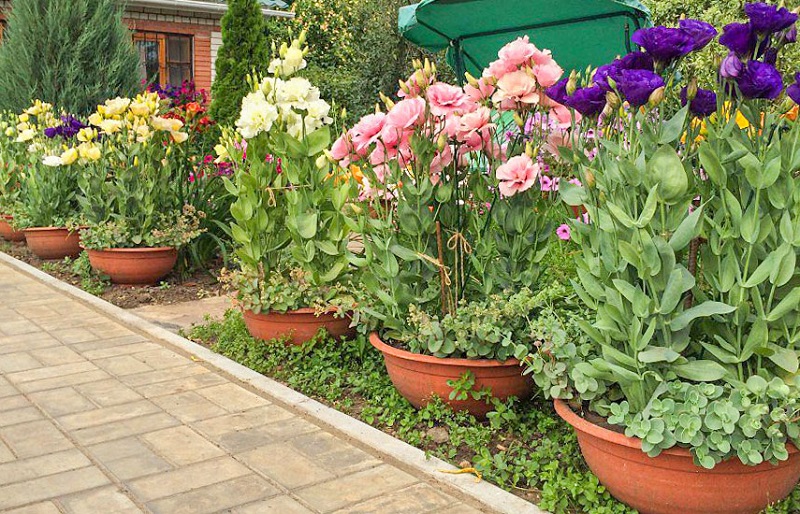
Lisianthus can be grown in a garden or in containers at home. If you want to grow it indoors, choose the brightest available spot, such as a sunny window, and make sure the pot drains well. A grow light may be needed if the plant doesn’t receive enough natural light.
For outdoor planting, wait until the weather is suitable for your region and follow the variety’s growing instructions. Gradually acclimate indoor-grown seedlings to outdoor conditions before planting them in the garden. This slow transition helps reduce stress from changes in light, temperature, and wind.
Common Lisianthus Seed-Starting Problems
| What you notice | What to check / What to try |
| Seeds are hard to handle | Sow slowly on a light-colored surface, and avoid burying them deeply. |
| The soil surface dries out | Keep the cover on until seedlings emerge, and check moisture regularly. |
| Seeds or seedlings wash away | Water gently with a pipette or fine mist. |
| Seedlings look weak or stretched | Provide brighter light, aiming for about 12 hours daily. |
| Seedlings stay small | Lisianthus grows slowly; keep conditions steady and give it time. |
| Mold appears on the soil | Reduce excess moisture, improve airflow, and use clean containers. |
| Seedlings suddenly topple over and die at the base (Added) | Look for damping-off fungus. Avoid overwatering, ensure sterilized soil mix, and use a light dusting of cinnamon or a mild fungicide. |
A Little Patience Goes a Long Way
Growing lisianthus from seed may feel like a small act of faith: the seeds are tiny, the seedlings are delicate, and progress can seem slow. But an early start, airy soil, warm conditions, steady light, and careful watering can help you raise healthy young plants.
I love the thought of those first small leaves slowly becoming elegant flowers—soft, rose-like blooms that look lovely in a garden or gathered into a simple bouquet at home. With patience and gentle care, lisianthus can bring a little extra beauty to your growing season.