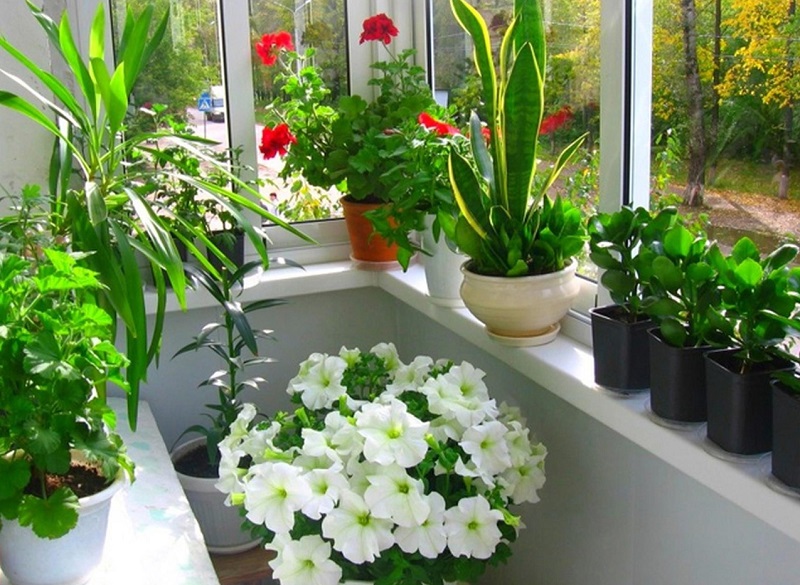
It’s upsetting to find a favorite plant drooping, losing leaves, or looking tired just as fall settles in. I know the temptation to reach for a quick fix—especially a homemade spray that promises to bring a plant back to life. But when a houseplant is struggling, the most helpful first step is usually not a tonic. It’s figuring out what changed and correcting the cause.
Wilting, yellow leaves, and dropped buds can result from dry soil, overwatering, low light, temperature changes, pests, or transplant stress. A plant may need time and steady care to recover. Here’s how I check what’s going on and help a struggling houseplant without adding unnecessary stress.
First, Check the Soil
Before watering, I feel the soil and lift the pot to judge how heavy it is. A wilted plant with dry soil may simply need a thorough watering. If the soil is still wet, though, more water can make things worse: roots in constantly soggy soil may be damaged and unable to take up enough water.
Try these simple checks:
⦁ Feel the top inch or two of potting mix.
⦁ Check that the pot has drainage holes.
⦁ Empty any water left in the saucer or outer pot.
⦁ Notice whether the pot feels unusually heavy or unusually light.
Water according to the plant’s needs rather than following a fixed schedule. Different plants, pots, and rooms dry out at different rates.
Look for Changes in Light, Temperature, and Location
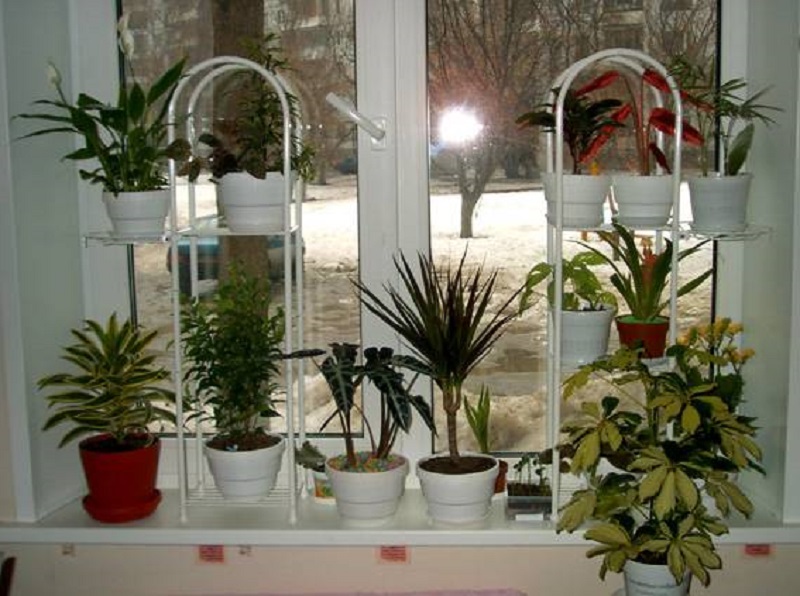
A plant can react to a sudden change in its surroundings. This is especially common in fall, when plants may be moved indoors, placed farther from a window, or exposed to drafts and heating vents.
Check whether the plant has recently been:
⦁ Moved to a darker spot or into direct sun.
⦁ Placed near a cold window, drafty door, or heat source.
⦁ Brought indoors after spending time outside.
⦁ Exposed to a sudden change in temperature or humidity.
If you’re moving a plant to a brighter location, do it gradually. A sudden shift into strong direct sunlight can scorch leaves, while a sharp drop in light may lead to slower growth or leaf drop.
Inspect Leaves and Stems for Pests
Turn a few leaves over and check where the leaves meet the stems. Look for small insects, fine webbing, sticky residue, or unusual speckling. Common houseplant pests include aphids, mealybugs, spider mites, scale, thrips, and whiteflies.
If you find pests, isolate the plant from others while you identify the problem. For a small infestation, you may be able to remove pests by hand or rinse the plant gently with water. If you use a pest-control product, choose one labeled for the specific plant and pest, then follow its label directions.
Should You Spray a Weak Plant With Hydrogen Peroxide?
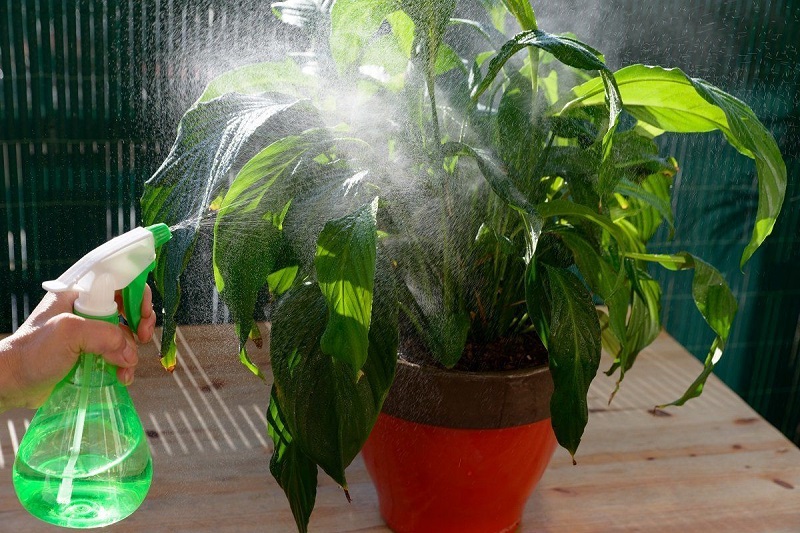
Hydrogen peroxide is sometimes recommended online as a plant “recovery” spray, often mixed with water. However, it is not a fertilizer or a general-purpose growth booster, and there’s no reliable basis for promising that a routine peroxide mist will restore a struggling plant or speed up seedling growth.
It can also irritate or damage plant tissue if used incorrectly. The original recipe—2 tablespoons of hydrogen peroxide per quart of water—does not specify the peroxide’s starting concentration. Household products can differ, and stronger concentrations can be hazardous. For that reason, I wouldn’t use this recipe as an all-purpose foliar spray.
A safer approach is to:
⦁ Identify and correct the cause of the decline first.
⦁ Avoid spraying plants that should not have wet leaves.
⦁ Test any new product on a small area before wider use.
⦁ Use only products specifically labeled for the intended plant and purpose.
If a plant has root rot, pests, or a fungal disease, treat that specific problem rather than relying on a homemade “tonic.”
Hold Off on Fertilizer While the Plant Is Stressed
Fertilizer won’t fix damaged roots, poor drainage, low light, or pests. Feeding a plant that is already struggling may add more stress, especially if it is not actively growing.
Wait until you see signs of fresh growth before resuming regular feeding. When you do fertilize, use a product intended for houseplants and follow the label. A gentler start is usually better than giving a weakened plant an extra-strong dose.
Help a Plant Recover After Repotting or Pruning
After repotting, pruning, or another major change, give the plant time to adjust. Keep it in suitable light, water according to the soil’s moisture, and avoid moving it repeatedly from place to place.
For a plant with damaged or rotting roots, check the roots and potting mix rather than trying to solve the problem with a leaf spray. Healthy roots are generally firm; damaged roots may be soft, dark, or unpleasant-smelling. Remove clearly rotten material with clean tools, use fresh, appropriate potting mix when needed, and make sure excess water can drain away.
A Simple Houseplant Recovery Checklist
| What you notice | What to check first |
| Wilting with dry soil | Water needs and how quickly the pot dries |
| Wilting with wet soil | Drainage, standing water, and possible root damage |
| Yellowing leaves | Watering pattern, light, temperature, and pests |
| Dropped buds or leaves | Recent moves, drafts, temperature changes, or seasonal adjustment |
| Slow or leggy growth | Light levels and whether the plant is actively growing |
| Sticky leaves or fine webbing | Pests on leaf undersides and around stems |
| White crust on the soil surface or pot rims (Added) | Hard water mineral buildup or fertilizer accumulation; check your watering source and flush the soil |
Give Recovery Time
Once you’ve corrected the likely cause, try to keep conditions steady. Remove leaves that are fully dead or badly damaged, but avoid heavy pruning unless the plant needs it. Check the soil regularly, keep the pot’s drainage clear, and watch for healthy new growth.
Reviving a struggling houseplant is rarely about one magic spray. In my experience, patient observation and a small adjustment—better drainage, a more suitable spot, or a change in watering—are often the best first steps. As the days grow shorter, those gentle changes can help houseplants settle in and regain their strength.