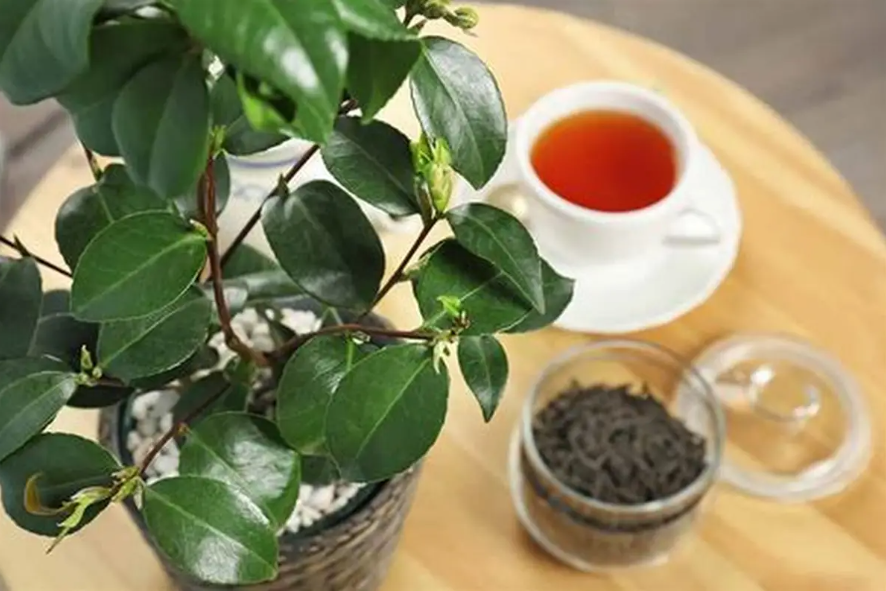
After an evening cup of tea, there’s usually a small pile of damp leaves left behind. It can feel wasteful to throw them away, especially when they seem natural and potentially useful. That’s why some plant owners add used tea leaves to their pots — only to find that the results aren’t always what they expected.
The idea is appealing: tea leaves are free, don’t have a strong smell, and seem like a simple way to care for houseplants. But indoor plants grow in a limited amount of potting soil, so even a seemingly harmless addition can change the conditions around their roots.
Can You Use Tea Leaves as Fertilizer for Houseplants?
Tea leaves contain organic matter and small amounts of minerals, including potassium, magnesium, calcium, and iron. These nutrients play a role in plant growth, healthy foliage, and root function. So it’s easy to see why people wonder whether tea leaves make a good natural fertilizer for houseplants.
There’s an important catch: much of what’s soluble in tea leaves passes into the water during brewing. Used tea leaves are not a complete fertilizer, and they can’t replace a balanced plant food that provides nutrients such as nitrogen, phosphorus, and potassium in known amounts.
Think of used tea as a minor soil amendment, not a nutritious meal for your plant. It may be suitable in small amounts when used carefully, but don’t expect it to trigger sudden growth, larger leaves, or abundant blooms. Adding too much organic matter can create excess moisture and other problems instead.
Why Wet Tea Leaves Can Cause Problems
The riskiest approach is to spread wet tea leaves over the surface of the potting soil. In a warm home, they may take a long time to dry, creating damp conditions that encourage mold. A few days later, you might notice white fuzz on the soil — or tiny flying insects around the pot.
If you have fungus gnats in houseplants, damp, decomposing organic matter may be contributing to the problem. Fungus gnats are attracted to moist conditions, and their larvae can live in the top layer of potting mix. Strong, established plants may tolerate a small infestation, but seedlings and stressed plants are more vulnerable.
Avoid pouring leftover tea into a plant pot if it contains sugar, honey, jam, milk, or cream. Sweetened tea doesn’t nourish roots; instead, it can feed microbes and mold. The potting mix may develop an unpleasant smell, and soggy soil can deprive roots of oxygen. For that reason, don’t water houseplants with sweetened tea or tea containing dairy.
How to Use Dry Tea Leaves Safely
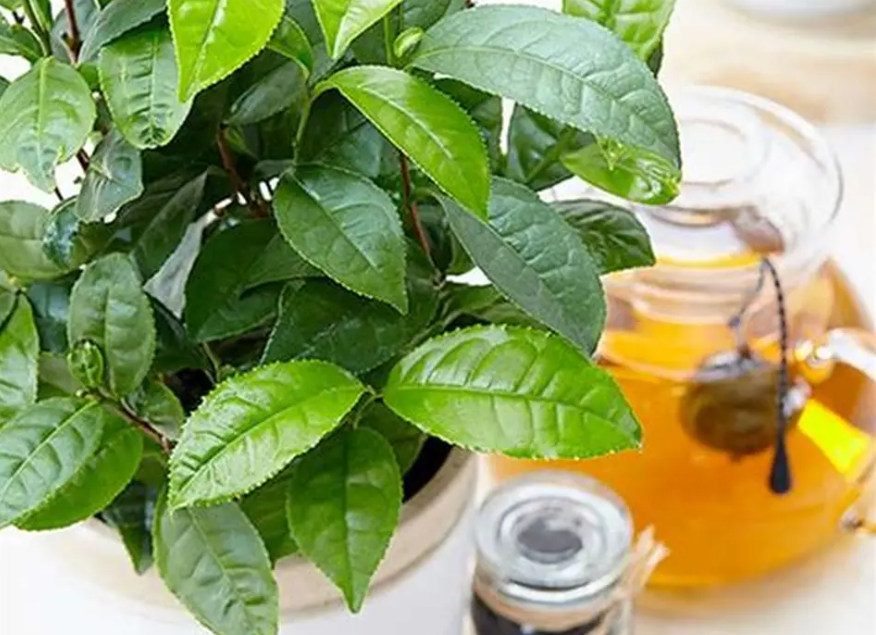
If you still want to try tea leaves in your potting mix, use only fully dried, plain leaves with no sugar, flavorings, or other additives. After brewing, spread the leaves in a thin layer on a plate or piece of paper and let them dry completely. Don’t store damp leaves in a jar — they can grow mold before you have a chance to use them.
When repotting, you can mix a small amount of dry tea leaves into the potting mix. For an average-sized pot, start with just 1–2 teaspoons. Mix the leaves evenly into the soil rather than spreading them in a dense layer on top. This helps prevent a persistently damp surface crust.
Still, used tea leaves shouldn’t be a regular addition to every houseplant’s soil. Potting mix is a limited environment, and its properties can change over time. Black tea may make the soil slightly more acidic, which isn’t suitable for all plants. Ficus, geraniums, succulents, cacti, and many flowering plants generally do best in stable growing conditions suited to their specific needs.
Which Houseplants Might Tolerate Tea Leaves?
Some plants prefer slightly acidic soil, including certain ferns, azaleas, camellias, gardenias, and hydrangeas. Even for these plants, used tea leaves aren’t essential. The right potting mix, a suitable watering routine, and appropriate light matter much more.
If you’re caring for a sensitive plant, don’t experiment on your entire collection at once. Try a very small amount of dry tea leaves in the potting mix of one mature plant, then observe it over the next few weeks. Watch for mold, fungus gnats, a musty smell, or declining leaves. If none appear, the addition may not have caused harm — but that doesn’t mean the plant is getting meaningful nutrition from it.
Be especially cautious with orchids, African violets, succulents, and cacti. Their roots can be sensitive to excess moisture and poor airflow. Even a small amount of decomposing organic matter may create unnecessary problems. For these plants, use a fertilizer formulated for their needs rather than relying on kitchen scraps.
Should You Water Houseplants with Tea?
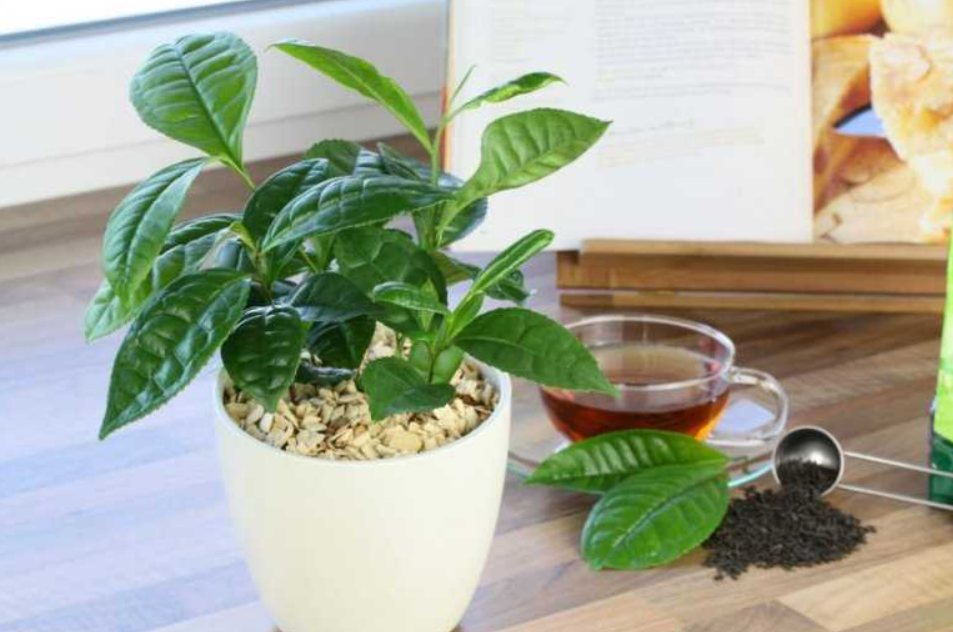
Some people recommend making a weak tea infusion by soaking used leaves in water and using the liquid on plants. The potential benefit is limited, while the risk of overwatering remains. If you want to try it, use only fresh, unsweetened, fully cooled, weak tea — and no more than once a month.
Use a small amount on soil that is already slightly moist; don’t treat it as a substitute for your regular watering routine. Never pour tea into completely dry soil. Roots stressed by drought may react poorly to an unexpected dose of liquid or nutrients. Don’t use tea that has been sitting around for several days, as microorganisms may have multiplied in it.
Tea is not a reliable treatment for yellow leaves or iron deficiency. Leaf yellowing can have many causes, including poor soil pH, overwatering, pests, cold temperatures, or insufficient light. Identify the underlying issue instead of hoping that a homemade tea solution will fix it.
What to Do with Used Tea Leaves
Composting is usually the best way to make use of used tea leaves. In a well-managed compost pile, they break down alongside other organic materials and eventually become part of a useful soil amendment. Garden beds also have far more soil than indoor pots, so small changes are less concentrated.
If you don’t compost, it’s perfectly fine to throw the tea leaves away. Plant care isn’t measured by how many kitchen scraps you put in a pot. Houseplants benefit much more from good drainage, suitable potting mix, appropriate light, careful watering, and a fertilizer matched to the plant and season.
Used tea leaves may serve as a minor organic soil amendment, but they’re not a replacement for fertilizer — and they’re not right for every houseplant. Have you tried adding tea leaves to your potting mix? What happened?