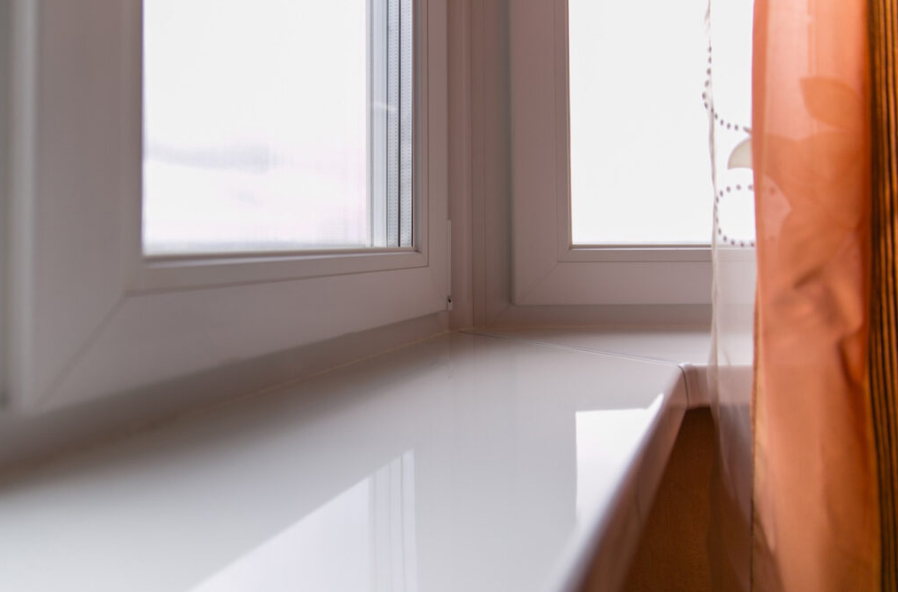
A white windowsill can turn cream-colored over time. An old appliance may develop an unpleasant yellow tint, and a once-bright keyboard can start to look decades old. Sometimes, the change isn’t caused by dirt that comes off with an ordinary wipe.
When I first noticed yellowing plastic around my home, I assumed it was beyond saving and needed to be replaced. But in many cases, you can noticeably freshen up plastic without harsh cleaners, strong fumes, or stiff brushes. The key is to be patient, work carefully, and understand what’s causing the discoloration.
Why Does White Plastic Turn Yellow?
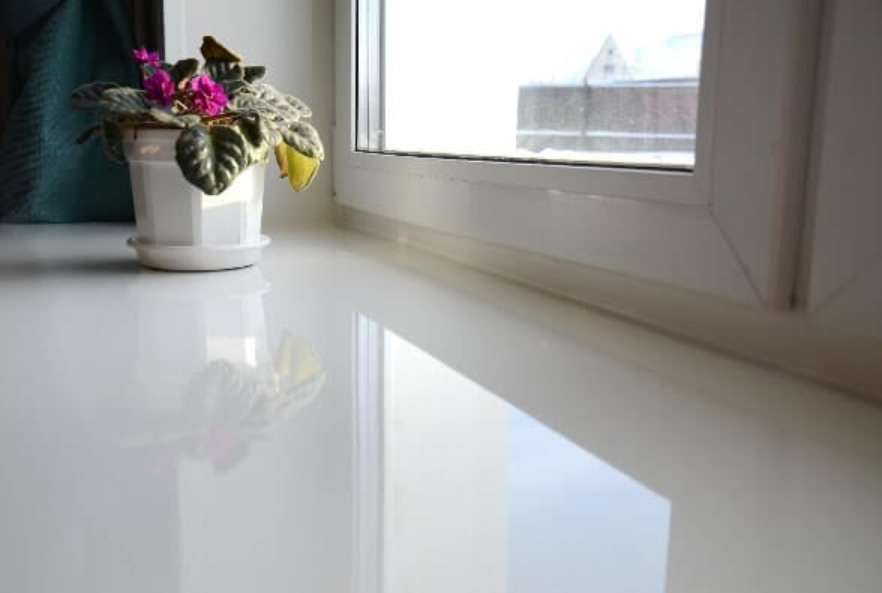
Yellowing doesn’t necessarily mean something hasn’t been cleaned properly. Over time, many plastic items react to sunlight, heat, oxygen, cigarette smoke, cooking grease, and household dust. The change is especially noticeable on old windowsills, appliance housings, light switches, refrigerators, remote controls, and computer equipment.
Plastic contains additives that help make it stronger, more heat-resistant, and less flammable. Exposure to light and air can gradually oxidize some of these components. The resulting changes affect the plastic’s color, turning white surfaces yellowish — sometimes with a gray or brown tint.
Before trying to whiten yellowed plastic, check whether the discoloration is just surface grime or a change in the material itself. If a greasy film comes off on your cloth, or the plastic under a sticker is noticeably whiter, cleaning alone may make a big difference. If the color is even and seems to come from within the plastic, a gentler, longer process may be needed.
Hydrogen Peroxide and Daylight: How the Method Works
Hydrogen peroxide is a familiar household first-aid product, but it’s also used to gently brighten some surfaces. When exposed to light, it gradually breaks down and releases reactive oxygen. This can affect some of the compounds responsible for yellowing, making the discoloration less noticeable.
That’s why people often use hydrogen peroxide to whiten plastic along with natural light. But don’t treat it as a risk-free experiment. Stronger solutions can irritate skin, damage finishes, leave spots, or change the surface texture. For home use, stick to standard 3% hydrogen peroxide.
Direct sunlight also calls for caution. Ultraviolet light can contribute to the process, but excessive heat may warp thin plastic, dry out rubber parts, or damage printed labels. Choose a bright spot that won’t get too hot, keep an eye on the item, and test a small, inconspicuous area first — especially before treating expensive electronics.
How to Prepare a Windowsill or Appliance
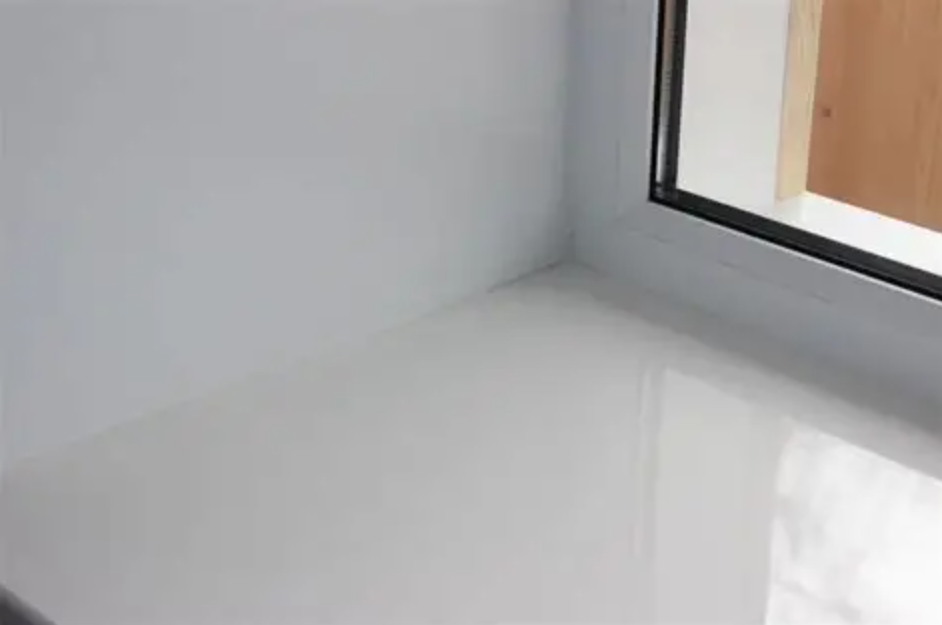
Good preparation matters just as much as the whitening step. Plastic often has a film of dust, cooking grease, marks from plant pots, hand cream, or cleaning products. Applying peroxide over that residue may lead to uneven results.
If you’re wondering how to clean a yellowed plastic windowsill, start with gentle cleaning:
1. Wipe away loose dust with a dry cloth.
2. Wash the surface with warm water and a small amount of mild dish soap.
3. Rinse off the suds with clean water.
4. Dry the surface completely.
On windowsills, take extra care to remove soil, rust marks from plant pots, and sticky tape residue. Use a product labeled safe for plastic to treat those stains rather than relying on hydrogen peroxide to tackle everything.
Avoid abrasive powders, steel wool, solvents, and chlorine-based cleaners. They can dull the finish, scratch the surface, or leave permanent marks.
How to Treat Plastic Carefully
For a small item such as a keyboard, remote control, or appliance cover, use a soft, lint-free cloth. Dampen it lightly with 3% hydrogen peroxide, spread a thin layer over the plastic, and place the item in a bright spot. You can cover the treated area with clear plastic wrap to slow evaporation, but don’t block ventilation openings or let liquid collect around buttons and seams.
Never treat electronics while they’re plugged in or switched on. Unplug the device, remove the batteries if possible, and keep liquid away from openings, ports, speakers, and beneath the keys. For a keyboard, it’s safer to dampen the cloth than to apply peroxide directly to the device.
For a plastic windowsill, work in small sections. Wipe the surface with peroxide, then leave it in a bright area and check it periodically. Depending on the age of the plastic, the degree of yellowing, and the light, you may see a noticeable change after a few hours. More stubborn discoloration may require another treatment on a different day.
It’s tempting to apply a thick coat and expect instant results when you want to whiten yellowed plastic fast. But rushing is more likely to cause streaks and disappointment than to make the process work better.
Safety Tips to Keep in Mind
Hydrogen peroxide can lighten more than plastic. It may affect fabric, painted details, printed labels, stickers, and skin. Wear gloves, work in a well-ventilated area, and choose clothing you don’t mind accidentally splashing. When you’re done, wipe the surface with a clean, damp cloth and dry it thoroughly.
Never mix hydrogen peroxide with vinegar, bleach, ammonia, abrasive powders, or other cleaners to “boost” its effect. The mixture won’t make plastic whiter and may create hazards for you or damage the material. Household cleaning shouldn’t become a chemistry experiment.
Keep in mind that whitening old plastic may not restore its original color completely. If the material has been badly damaged by sun exposure or has developed fine cracks, the yellowing may fade without disappearing altogether. Think of this method as a way to refresh the appearance — not a guarantee that the plastic will look brand-new.
How to Keep Plastic Looking Whiter
Once you’ve managed to remove yellowing from plastic, a few simple habits can help keep it looking clean:
⦁ Wipe windowsills regularly to remove dust and water marks.
⦁ Don’t leave wet plant pots sitting directly on the surface.
⦁ Avoid harsh scouring powders and abrasive scrubbers.
⦁ Use curtains, blinds, or a UV-blocking window film if the sill gets strong sunlight.
⦁ Keep white appliances away from stoves, radiators, and areas where greasy residue builds up.
⦁ Give plastic surfaces a quick weekly wipe with a soft cloth.
Hydrogen peroxide and light can help freshen up yellowed plastic when used carefully and with realistic expectations. The process takes time; it’s not a 15-minute miracle fix. Have you ever brought an old plastic surface back to a brighter white without replacing it?