
A tidy home can seem to get messy overnight. Yesterday, everything looked fine. Today, there are things scattered across the table, bottles crowding the bathroom counter, dishes waiting in the kitchen sink, and floors that need attention. Just thinking about spending an entire day cleaning can feel exhausting.
I used to treat cleaning like a major weekend project: wait until Saturday, work up the energy, pull out all the supplies, and try to clean every room at once. That routine ate into my downtime, left me frustrated, and usually ended with a few chores pushed to the following week.
Eventually, I realized that keeping a house clean doesn’t have to take heroic effort. The key is to stop trying to do everything at once.

Why Deep Cleaning Feels So Overwhelming
A long to-do list can make cleaning feel like one enormous task. There’s laundry to put away, dust to wipe, a bathroom to scrub, floors to vacuum and mop, a kitchen to clean, and sheets to change. It’s easy to feel discouraged before you even pick up a cloth.
If you’re wondering how to motivate yourself to clean, the problem may not be laziness. Often, it’s simply hard to know where to start. When a job feels endless, it’s tempting to do anything else — make a snack, watch a show, answer messages, or lie down for a while. The cleaning can wait, right? Then the mess is still there tomorrow.
Another downside of relying on a big weekend clean is that it can make home feel like a source of stress. Days off are for resting, spending time with people you love, getting outside, or catching up on sleep and personal plans. If Saturday always means a bucket, a vacuum, and an aching back, it’s natural to start putting off the chores even more.
Clean One Room or Zone a Day
A simple change made a big difference for me: I stopped trying to clean the whole house in one go. Instead, I chose one room or small area and spent 20–30 minutes on it. This approach is easier to fit into a weekday — even after a long day at work.
For example, you could:
⦁ Monday: Tidy the kitchen. Clear the counters, clean the sink, wipe cabinet fronts, and sweep the floor.
⦁ Tuesday: Give the bathroom a quick clean.
⦁ Wednesday: Straighten up the bedroom.
⦁ Thursday: Tidy the living room or entryway.
⦁ Friday: Take the night off or catch up on any small chores you missed.
A flexible weekly cleaning schedule makes it easier to keep up without demanding perfect discipline. If you miss a day, don’t worry. Move that task to another day rather than trying to make up for it with hours of extra work.
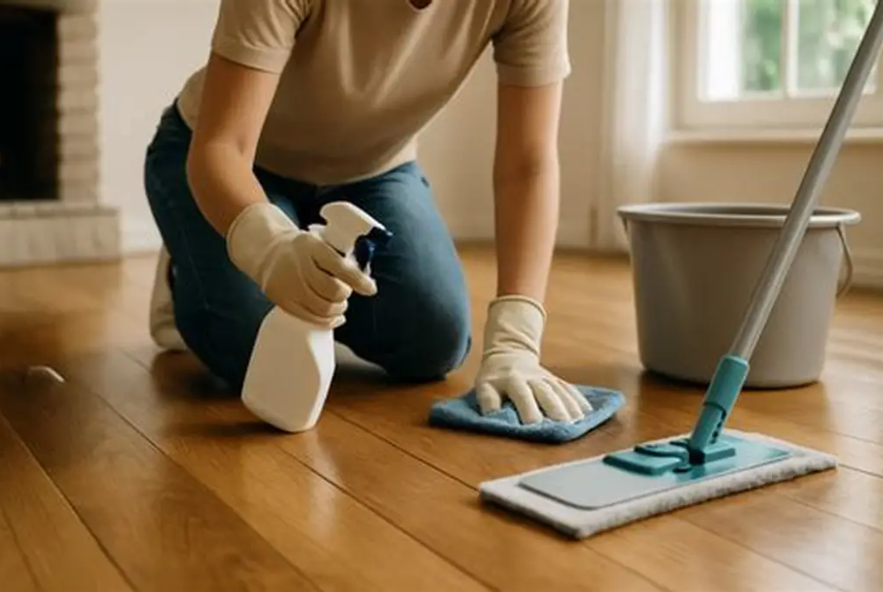
Start with the Areas You Notice Most
Every room has a few tasks that can make it feel cleaner almost immediately. In the kitchen, it might be an empty sink, clear counters, and a crumb-free floor. In the bathroom, a clean mirror, dry fixtures, and a cleared vanity can make all the difference. In the bedroom, making the bed and picking clothes up off the chair can quickly make the space feel more put together.
When you’re short on time, don’t aim for perfection. Focus on the basics:
⦁ Throw away the trash.
⦁ Put misplaced items back where they belong.
⦁ Wipe the most visible surfaces.
⦁ Vacuum high-traffic areas if they need it.
Even 10–15 minutes of these quick cleaning tasks can noticeably improve how your home looks and feels.
If you want to clean your house quickly without an exhausting marathon, follow a simple order. First, pick up clutter such as packaging, papers, dishes, and clothes. Next, wipe surfaces from top to bottom. Vacuum or mop the floors last, so you don’t have to clean the same spot twice.
Use a Timer to Keep Chores from Dragging On
Cleaning can take longer than it needs to when you keep getting distracted. You start wiping a shelf, find an old photo, stop to look at it, notice a message on your phone — and suddenly an hour has passed without much visible progress.
A 20- or 30-minute timer can help you stay focused. It’s not a punishment or a race; it simply gives the task a clear endpoint. While the timer is running, work on one area and avoid switching to other chores. When time is up, you can stop without feeling guilty.
This method works especially well if you’re building a cleaning routine by day of the week. Save the kitchen and bathroom for days when you have a little more energy, since they often need extra attention. Bedrooms, home offices, and living rooms may take less time — especially if clutter hasn’t been piling up for weeks.

Keep the Kitchen and Bathroom Under Control
These rooms can make a home feel untidy quickly because they’re used every day. Kitchens collect grease, crumbs, dishes, and food left out on the counter. Bathrooms show water spots on mirrors and faucets, hair on the floor, and empty containers on the vanity.
To make kitchen cleaning feel less like a major project, take care of a few small jobs as soon as you finish cooking:
⦁ Wipe the stovetop while spills are still fresh.
⦁ Put food away in the pantry or refrigerator.
⦁ Rinse the sink.
⦁ Wipe down the counters.
It takes just a few minutes, but those small habits can make a big difference by the end of the week.
The same idea works in the bathroom. After a shower, wipe water from the faucet and glass shower door to help slow mineral buildup. Hang towels up to dry, and toss empty packages instead of leaving them for later. These simple habits make it easier to maintain a tidy home without feeling like housework never ends.
Don’t Let Your Home Become a Storage Spot for “Temporary” Items
Clutter often builds up when everyday items don’t have a designated place. Receipts land on the nightstand, chargers move from room to room, clothes collect on a chair, and shopping bags pile up in the entryway. Each item may seem insignificant on its own, but together they can make a home feel chaotic.
Create easy-to-use storage spots for the things you reach for often:
⦁ A small box or folder for mail and papers
⦁ A basket for miscellaneous items
⦁ A hook or hanger for frequently worn clothes
⦁ A bin or drawer for charging cables
You don’t need expensive organizers. A basic basket, drawer, or shelf may be all it takes to stop everyday items from migrating around the house.
If putting something away takes more than a few seconds, you’re less likely to do it consistently. Make storage convenient — not just attractive in a photo. Your home should make daily life easier, not leave you constantly moving things from one spot to another.
A Clean Home Is Built on Small Habits
A simple home cleaning routine doesn’t have to be strict, and it doesn’t mean trying to live up to someone else’s idea of a perfect home. Sometimes it’s enough to put away a mug, wipe the table, put shoes back where they belong, or start a load of laundry. Those actions may seem small, but they help prevent clutter from becoming overwhelming.
Try not to criticize yourself if your home doesn’t look picture-perfect. Busy weeks, illness, travel, and exhaustion happen. On those days, choose the one task that will make the biggest difference instead of trying to do everything and wearing yourself out.
When each room gets a little attention throughout the week, weekends no longer have to disappear into cleaning. Your home can stay comfortable and welcoming — and you’ll have more time and energy for the things you actually enjoy.
Which spot in your home most often needs an urgent tidy-up?