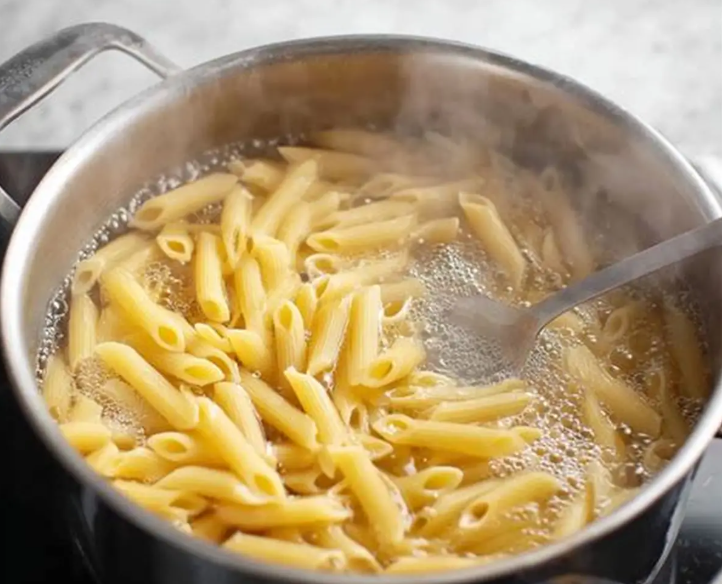
A pot of pasta can leave you with more than dishes to wash. It also leaves behind a valuable ingredient that many home cooks pour down the drain without a second thought: starchy pasta water.
That cloudy cooking liquid can help pasta sauce turn smooth, glossy, and flavorful. I used to drain every last drop, too — until I stirred a little hot pasta water into buttered noodles with cheese. The sauce stopped pooling at the bottom of the bowl and began to cling to every piece of pasta.
What Makes Pasta Water So Useful?
As pasta cooks, it releases some of its starch into the water. That starch gives the liquid its cloudy appearance and helps it bind ingredients together. A splash of starchy pasta water can loosen a thick sauce, help it coat the noodles, and bring ingredients like oil, cheese, and tomato sauce together.
You’ll notice the difference most in sauces made with butter, cheese, meat juices, or tomatoes. Toss hot pasta with melted butter alone, and the fat may separate into little pools. Add a few spoonfuls of pasta cooking water, and the sauce becomes more evenly distributed and cohesive.
Pasta water isn’t a magic ingredient or a substitute for everything else in a recipe. It’s simply a useful cooking tool: an easy way to use starch to improve the texture of a dish without adding a strong flavor.
How to Make Pasta Sauce Thicker and Silkier
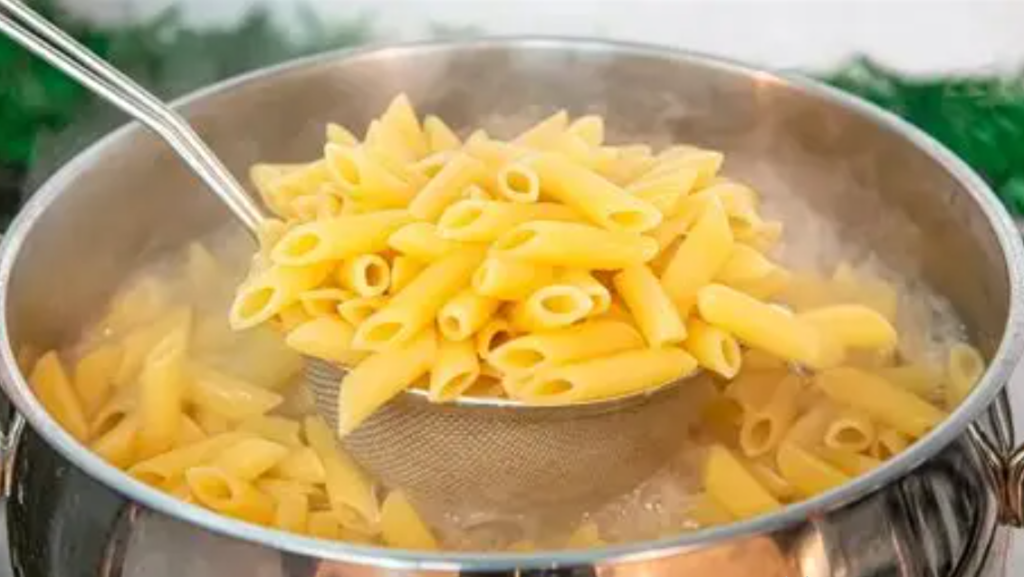
Don’t drain the pasta completely dry. Just before it’s done cooking, scoop out about 1 cup of pasta water. You may not need all of it. The water works best while it’s hot, so set it aside near the stove.
To thicken tomato sauce, stir in a few tablespoons of pasta water before adding the noodles to the pan. Toss everything together over medium heat for about a minute. The pasta absorbs some of the sauce, while the starch helps it cling to the noodles.
This is also a handy way to make pasta sauce without cream. Sauté garlic in a little oil, add tomatoes or tomato sauce, then toss in the cooked pasta with a splash of pasta water. Stir well, adding more water a little at a time, until the sauce looks smooth and lightly glossy.
Pasta water is especially helpful when making a cheese sauce. Grated hard cheese can clump or release grease if you add it directly to dry, piping-hot pasta. Instead, take the pan off the heat, add the cheese, and gradually stir in hot pasta water until the sauce turns smooth and creamy.
Can You Use Pasta Water in Meatballs or Meat Patties?
A small amount of pasta water can also help keep ground-meat mixtures moist and tender. Some recipes use an egg to bind meat patties, but you may not always have one on hand — or you may prefer a softer texture.
For about 1 pound of ground meat, start with 3–4 tablespoons of cooled pasta water. Add it along with the onion, salt, and seasonings, mix until combined, and let the mixture rest for 10–15 minutes. The starch can help the meat mixture feel more cohesive and easier to shape.
Pasta water won’t replace an egg in every recipe. The result depends on the type and fat content of the meat, as well as any other ingredients, such as onion, bread, or breadcrumbs. If the mixture feels too loose, add a little soaked bread, rolled oats, or breadcrumbs.
In my experience, a small splash can make meat patties softer and juicier. For the best texture, don’t overwork the mixture or cook the patties over very high heat for too long.
When Not to Use Pasta Water
Use pasta water only if the noodles were cooked in water with salt. Skip it if the pot contained bouillon, strongly flavored seasonings, or a large amount of oil, since those ingredients could affect the flavor or texture of your sauce or meat mixture.
Remember that pasta water is usually salted. Taste your dish before adding more salt, especially if you’re using it in a sauce, soup, or meat mixture. It’s easy to end up with an oversalted dish if you season generously at the start.
Don’t leave pasta water at room temperature for an extended period. If you won’t use it right away, let it cool, transfer it to a covered container, and refrigerate it. Use it within 24 hours.
Other Ways to Use Starchy Pasta Water
Pasta water works well in vegetable sauces, especially those made with zucchini, mushrooms, spinach, onions, or tomatoes. If the vegetables have cooked down but the sauce still seems too thin, stir in a small splash and let it simmer. Add the water gradually, mixing well after each addition.
It can also help when reheating leftover pasta. Refrigerated noodles often become dry or stick together. Add them to a skillet with a little butter or oil and a splash of pasta water. Cover and warm gently, stirring occasionally, until the pasta is hot and tender.
The key is to add the water a little at a time. Starch thickens as it works, and too much liquid can leave your pasta gummy. Start with 2–3 tablespoons, check the consistency, and add more only if needed.
Pasta water is a simple, no-cost way to make familiar dishes taste and feel more satisfying. Save a cup the next time you cook pasta, and you may never want to pour it down the drain again.
Do you use pasta water in your cooking?