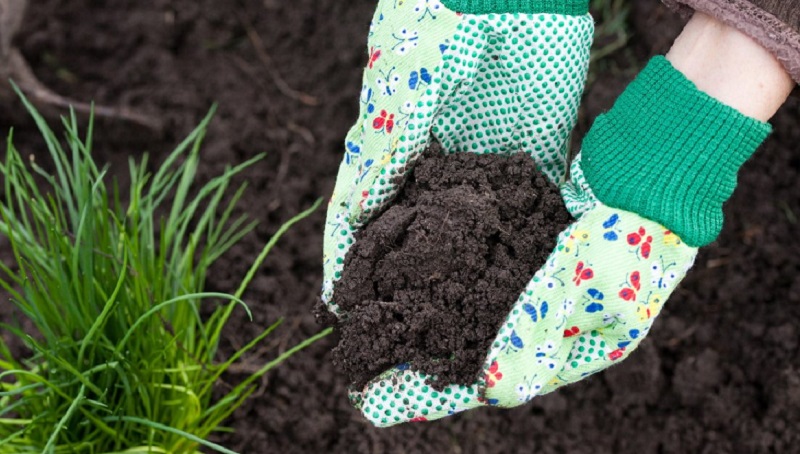
When garden beds begin to look tired, the signs are often easy to spot: plants grow slowly, leaves turn yellow, harvests shrink, and vegetables struggle to produce healthy fruit. Poor soil may be part of the problem. The good news is that improving soil fertility doesn’t always require complicated products or a major garden overhaul.
In my garden, fall is a practical time to work on soil. The beds are winding down for the season, and there’s time to loosen compacted ground and add suitable organic materials before spring planting. One option mentioned in traditional gardening advice is well-rotted sawdust—but it needs to be used carefully. Fresh sawdust and aged sawdust behave very differently in garden soil.
Signs Your Garden Soil May Need Help
Declining soil fertility can show up in several ways. Look for patterns rather than relying on one symptom alone, since yellow leaves or poor growth can also result from pests, disease, watering problems, or insufficient sunlight.
Possible signs include:
⦁ Smaller harvests than in previous seasons
⦁ Slow or stunted plant growth
⦁ Yellowing leaves or weak-looking plants
⦁ Poor flowering or limited fruit production
⦁ Soil that feels compacted, drains poorly, or dries out too quickly
A soil test can help determine whether the main issue is nutrient availability, pH, or something else. Before adding amendments, it’s worth knowing what your soil actually needs.
Why Aged Sawdust Is Different From Fresh Sawdust
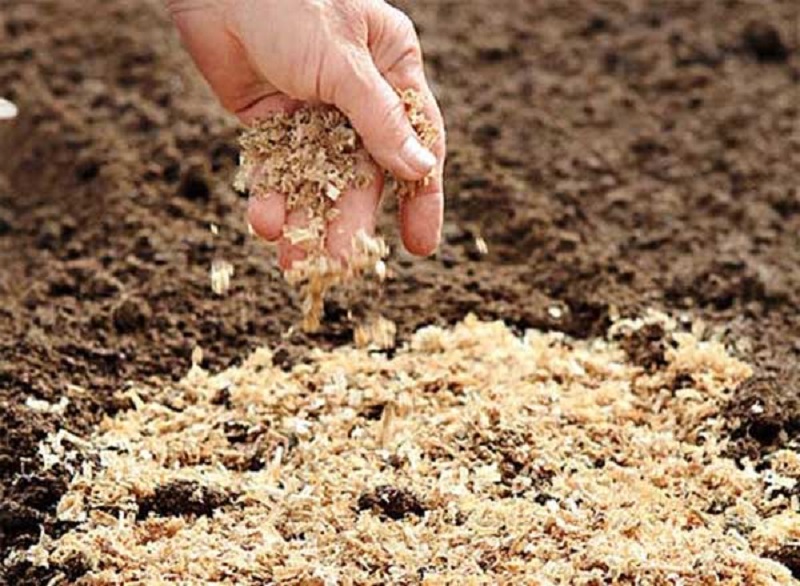
Fresh sawdust can temporarily tie up nitrogen as soil organisms break down the woody material. This may leave less nitrogen available to plants, especially when fresh sawdust is mixed directly into garden soil. Plants growing in that soil can become stressed or show signs of nutrient deficiency.
Well-rotted or properly aged sawdust has already begun decomposing, so it is less likely to cause the same problem when used appropriately. It can help improve soil texture by adding organic material, making heavy soil easier to work and helping sandy soil hold moisture. However, sawdust is not a complete fertilizer, and it does not provide a balanced supply of nutrients on its own.
If you’re not sure whether the sawdust is fully aged, don’t mix it into a bed where plants are actively growing. Use finished compost or another amendment recommended for your soil instead.
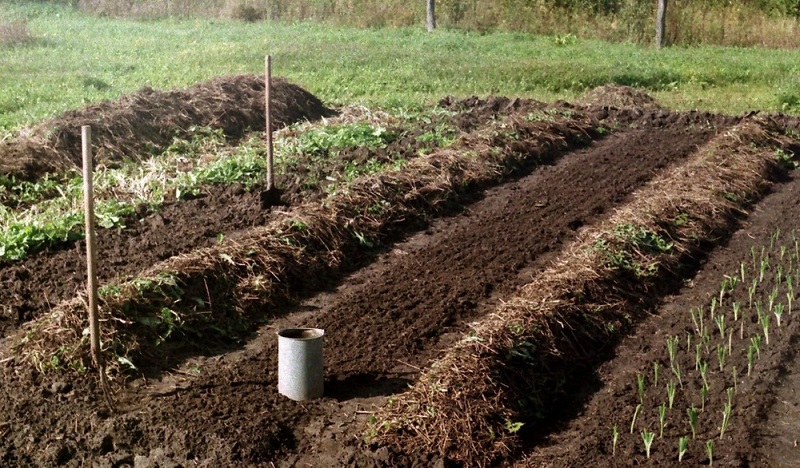
An Amendment Blend for Garden Beds
The original method combines equal parts of aged sawdust, sand, and dolomitic lime, with an optional addition of wood ash. Because garden soils vary widely, this shouldn’t be treated as a universal recipe. Sand, lime, and wood ash can all change soil conditions, and adding them without testing may do more harm than good.
Before using any blend, consider the following:
⦁ Check your soil pH. Dolomitic lime raises soil pH and adds calcium and magnesium. It is useful only when soil-test results indicate a need.
⦁ Use sand selectively. Adding a small amount of sand to clay soil usually won’t improve drainage and, in some cases, can make the soil harder. Compost or other suitable organic matter is often a safer choice for improving soil structure.
⦁ Be cautious with wood ash. Ash can raise soil pH and add soluble salts. Don’t add it to alkaline soil, or around plants that prefer acidic conditions, unless a soil test recommends it.
⦁ Choose only aged sawdust. Avoid fresh sawdust mixed into planting beds.
If a soil test confirms that the materials are appropriate, mix measured amounts and spread the amendment over the bed. Incorporate it gently into the top layer of soil rather than trying to work it deeply into the entire garden. For larger beds, a garden fork or tiller can help distribute amendments, but avoid working soil when it is wet, as this can compact it.
A Safer Fall Routine for Improving Soil
For many home gardens, a simple fall soil-care routine is a reliable place to start:
1. Clear out spent plants. Remove diseased plants and any material that may carry pests or disease.
2. Check the soil. Use a soil test to learn the pH and nutrient levels.
3. Add finished compost if needed. Compost can improve soil structure and add organic matter. Choose a finished product rather than fresh manure or unfinished material.
4. Use amendments based on the test. Add lime, fertilizer, or other materials only when there is a clear reason to do so.
5. Protect bare soil. Cover beds with a suitable organic mulch or plant a winter cover crop where appropriate.
This approach can help build healthier garden soil gradually, without relying on a one-size-fits-all mixture.
Can You Use Sawdust in Potting Soil?
Aged sawdust may be suitable in small amounts as part of a potting mix, but it should not replace the ingredients that provide drainage, air space, and nutrients. Container plants are especially sensitive to poorly balanced mixes because roots have limited space to grow.
When repotting houseplants, use a potting mix formulated for the type of plant you’re growing. If you want to experiment with aged sawdust, add only a small amount to a mix that already drains well, and monitor the plant’s growth. Avoid fresh sawdust and make sure the container has drainage holes.
Common Soil-Improvement Mistakes to Avoid
⦁ Mixing fresh sawdust into soil around growing plants
⦁ Adding lime without checking soil pH
⦁ Assuming sand will fix every heavy or compacted soil
⦁ Using wood ash without considering its effect on pH and salts
⦁ Expecting one amendment to correct every soil problem
⦁ Tilling wet soil, which can damage its structure
Quick Guide to Common Soil Amendments
| Material | Potential benefit | Important caution |
| Aged sawdust | Adds organic material and may improve soil texture | Not a complete fertilizer; confirm it is well aged |
| Fresh sawdust | Can be used as a surface mulch in some settings | Avoid mixing it into soil around growing plants |
| Finished compost | Adds organic matter and supports better soil structure | Use mature, finished compost |
| Dolomitic lime | Raises pH and supplies calcium and magnesium | Apply only when a soil test shows a need |
| Wood ash | Can raise pH and add some minerals | Use sparingly and avoid alkaline soil |
| Sand | May be useful in specific soil mixes | Often isn’t a good fix for clay garden beds |
| Perlite (Added) | Improves aeration and drainage in container mixes | Wear a mask when handling dry; do not breathe in the fine dust |
A Little Fall Care Can Make a Difference
Improving soil fertility is usually a gradual process, not a quick fix. Aged sawdust may contribute organic material, but the best approach depends on your soil’s texture, pH, drainage, and nutrient levels. I like to start with a soil test, add finished compost where it’s needed, and make other changes carefully rather than applying a homemade blend to every bed.
With thoughtful fall soil care, garden beds can be better prepared for the next growing season—and your plants will have a healthier foundation to grow in.