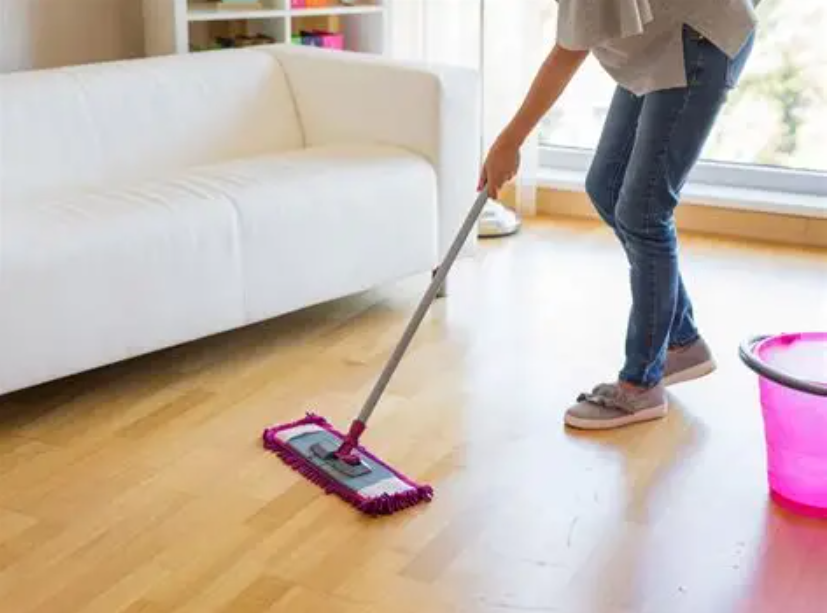
A freshly mopped floor can feel like a small victory — until dust, footprints, or pet hair show up again a little while later. I used to wonder if I needed better water or a more expensive cleaner. But often, what matters most is the cleaning routine, how much water you use, and whether the solution leaves residue behind.
A simple homemade floor-cleaning solution may help floors look their best, but it’s important to use it carefully. No ingredient can keep dust away completely, and the right method depends on your flooring.
Why Floors Look Dusty Again After Mopping
Dust comes from many everyday sources: furniture, clothing, rugs, windows, and shoes. It’s especially noticeable on dark laminate, glossy tile, and solid-color vinyl. Sometimes, though, a floor seems to attract dust more quickly because leftover cleaner has left a film behind.
Using too much soap, floor cleaner, or concentrate can leave a nearly invisible residue. The floor may look clean at first, but that film can cause streaks, a cloudy finish, or a slightly tacky surface that picks up dust and dirt. If you’re wondering how to mop floors without streaks, start with the right amount of cleaner — not a stronger dose.
Before wet mopping, remove loose debris. Vacuum with a soft floor attachment or sweep up crumbs, hair, and pet fur. If you mop without dry-cleaning first, you may push grit around the room and risk scratching delicate flooring.
Use Glycerin Only for an Occasional Final Wipe
Some people add a small amount of pharmacy-grade glycerin to water for a final wipe after the floor has already been cleaned. It may help smooth the appearance of certain hard surfaces and add a subtle sheen, but it isn’t a floor cleaner. It won’t remove greasy marks, shoe scuffs, or dried-on spills.
If you’re looking for what to mop floors with to make them shine, you could try a very diluted solution on a suitable floor. Add 1 teaspoon of glycerin to 1¼–1¾ gallons of warm water. Wring out the mop very well: the floor should be just damp, not wet. Excess water can damage laminate, hardwood, and flooring with seams or joints.
I wouldn’t use glycerin every time I mop. Residue may build up with repeated use, leaving the floor tacky instead of polished. That’s especially inconvenient in a kitchen or entryway, where crumbs and sand can cling to the surface. Use it occasionally, and see how it works on your particular flooring.
Why Add Vinegar to the Cleaning Solution?
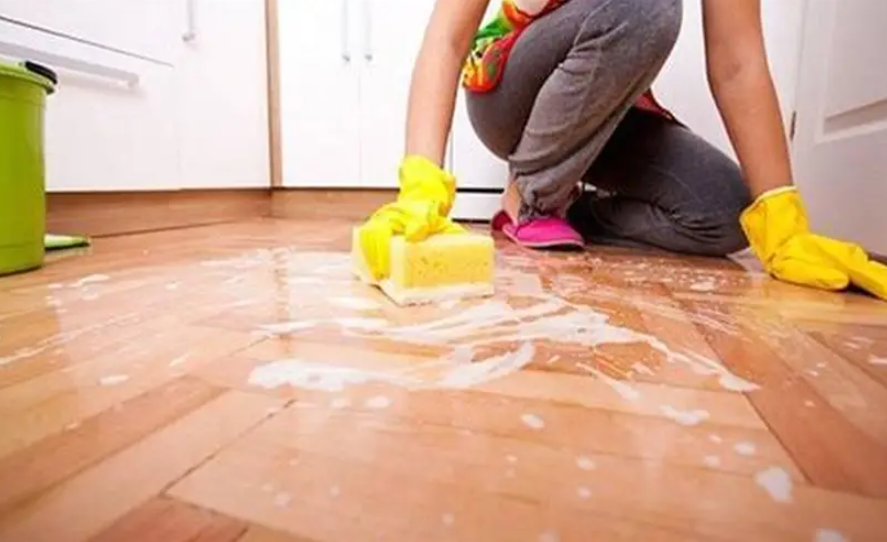
A weak vinegar solution may help remove soap film and some mineral residue left behind as water dries. It can be suitable for ceramic or porcelain tile and certain types of vinyl flooring, provided the manufacturer allows it. That’s why some people use vinegar and water to mop floors when they want a simple alternative to heavily fragranced cleaners.
For a bucket of water, use 1 tablespoon of 5% white vinegar. If the floor is known to tolerate vinegar, you can also add 1 teaspoon of glycerin — but test the solution on a small, inconspicuous area first. Never mix vinegar with bleach or bleach-based cleaners. The combination can release dangerous fumes.
The vinegar smell usually fades as the floor dries and the room airs out. If you find it unpleasant, don’t add more fragrance. Open a window briefly and let the floor dry completely. A clean home shouldn’t come with overpowering odors.
Flooring That Shouldn’t Be Cleaned with Vinegar
Homemade floor cleaners aren’t suitable for every surface. Natural stone — including marble, granite, travertine, and limestone — can be damaged by acid. Vinegar may dull the finish or harm a protective coating, so avoid using it on these materials.
Use extra care with hardwood, unfinished wood, and floors treated with wax or oil. Follow the flooring manufacturer’s instructions. Even the best way to clean laminate without streaks depends on the product, the condition of its seams, and its protective layer.
The main rule for laminate is to use as little water as possible. Wring out the mop thoroughly, and don’t let liquid seep between the planks. If you’re unsure what your floor can handle, choose a pH-neutral cleaner labeled for laminate or use a lightly damp mop with plain warm water. A little extra shine isn’t worth swollen seams or costly repairs.
How to Make Mopping More Effective
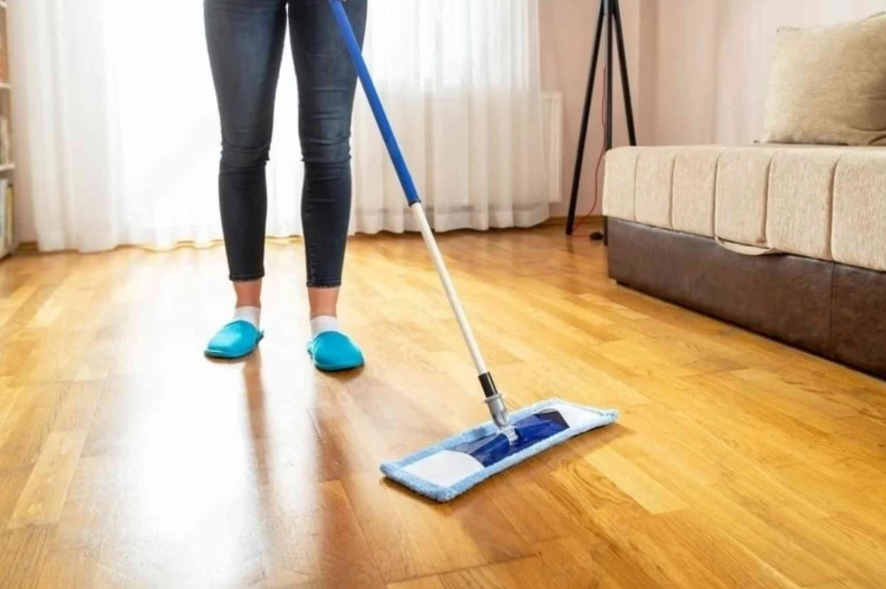
One of the most common mistakes is mopping with dirty water. When the water turns gray, replace it. Otherwise, you’re not cleaning the floor — you’re spreading grime from one area to another. Rinse the mop head regularly, too, since it can collect hair, dust, and cleaner residue.
In the kitchen, first remove grease and dried food with a product that’s suitable for your flooring. Wipe the area with clean water, then do a light final pass if needed. This order works especially well on tile, helping prevent cloudy streaks from showing in the light.
If you want to know how to keep dust off floors longer, look beyond the mop bucket. A doormat at the entrance, regular vacuuming of upholstered furniture, washing throws and curtains, and keeping up with pet hair can all reduce the amount of dust that settles on the floor. You can’t stop dust entirely, but you can make everyday cleaning feel less like a never-ending cycle.
Glycerin and vinegar may be useful additions to a cleaning routine when they’re appropriate for the floor and used sparingly. The most reliable way to keep floors looking fresh is still gentle care, clean water, and a little patience.
What do you usually add to your mop water to keep your floors looking clean and fresh?