
Sometimes I finish cleaning, but the room still doesn’t feel quite fresh. The sink is sparkling, the tile is clean, and the towels are neatly hung — but cloudy water spots and white streaks have already appeared on the faucet again.
For a long time, I thought hard water and frequent cleaning were simply part of the problem. Then I tried an unusual little trick: rubbing a candle over a clean, dry faucet. It won’t replace proper cleaning, but it may help water slide off the surface and keep the faucet looking polished for longer.
What Causes White Marks on Faucets?
White marks on a faucet usually appear after water evaporates. Hard water contains minerals, including calcium and magnesium. When the water dries, these minerals remain behind as a thin, cloudy deposit. The harder the water — and the longer droplets sit on the faucet — the more noticeable the marks become.
Mineral buildup often forms around the faucet base, joints, aerator, and underside of the spout. Water tends to linger in these spots, and they can be tricky to wipe dry. In the kitchen, grease and tiny food particles can mix with mineral deposits, making the faucet look dull even after a routine wash.
A regular cleaning spray may remove some buildup, but it won’t stop new water spots from forming. If droplets are left to dry on the faucet after every use, mineral residue can build up again. That’s why it helps to think not only about how to remove hard water stains from a faucet, but also about how to protect the freshly cleaned surface.
How Wax May Help Repel Water
Paraffin wax and natural wax do not mix readily with water. When you apply a very thin layer to clean, dry metal, the wax can create a smooth, water-repellent film. Instead of spreading into a wide streak, water may bead into small droplets and roll off more easily.
This doesn’t make the faucet completely waterproof. The protective layer gradually wears away with washing, friction, hot water, and cleaning products. But under everyday conditions, it may help the faucet stay cleaner between cleanings.
I wouldn’t call this a miracle fix. The idea is simple: reduce the amount of time water sits on the metal, rather than constantly removing dried-on spots. That’s why rubbing a faucet with a candle works best after a thorough cleaning — not over existing hard water deposits.
How to Prepare the Faucet
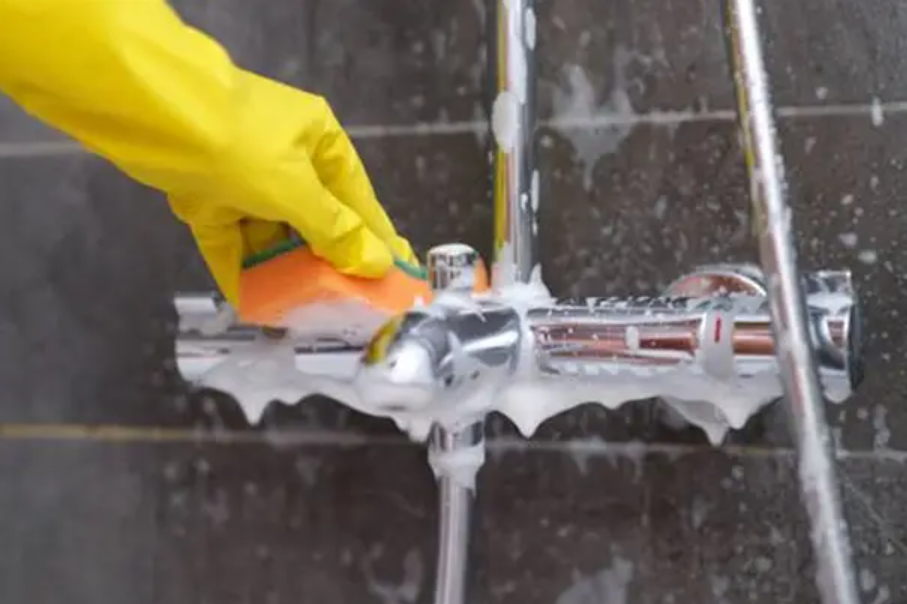
First, remove any dirt, grease, and mineral deposits. If you apply wax to a cloudy or greasy faucet, it won’t clean the surface. It may only partly hide the marks and seal them beneath a thin layer.
Start by rinsing the faucet with warm water and wiping it with a soft sponge. If there is visible limescale, use a mild solution of citric acid or white vinegar. Apply it to a cloth, hold the cloth against the affected area for a few minutes, and then rinse thoroughly.
Don’t leave acids on a faucet for long, especially if it has a decorative, matte, or damaged finish. Avoid steel wool, knives, and scouring powders with coarse particles. They can scratch the surface, and residue may collect more easily in scratches.
Once the faucet is clean, rinse it with fresh water and dry it completely. This step matters: wax may spread unevenly on damp metal, and any remaining droplets could get trapped beneath the protective film.
How to Rub a Faucet with a Candle
A plain white paraffin candle is usually the best choice. Skip candles with dyes, glitter, or fragrance additives; they aren’t needed for faucet care and could leave colored or greasy marks.
Gently press the candle against the dry faucet and move it over the surface in smooth, circular motions. There’s no need to press hard. The goal is to leave a thin, even film — not a thick coating.
A faint whitish residue after applying the candle is normal. Use a dry microfiber cloth to wipe and polish the metal until it shines. Pay particular attention to the faucet base and joints, but don’t let pieces of wax collect in gaps or around the aerator.
After polishing, the faucet should feel smooth and look dry, with no visible streaks. If it feels greasy, you’ve used too much wax. A thicker layer won’t provide better protection; it may attract dust and feel unpleasant to the touch.
What Results Can You Expect?
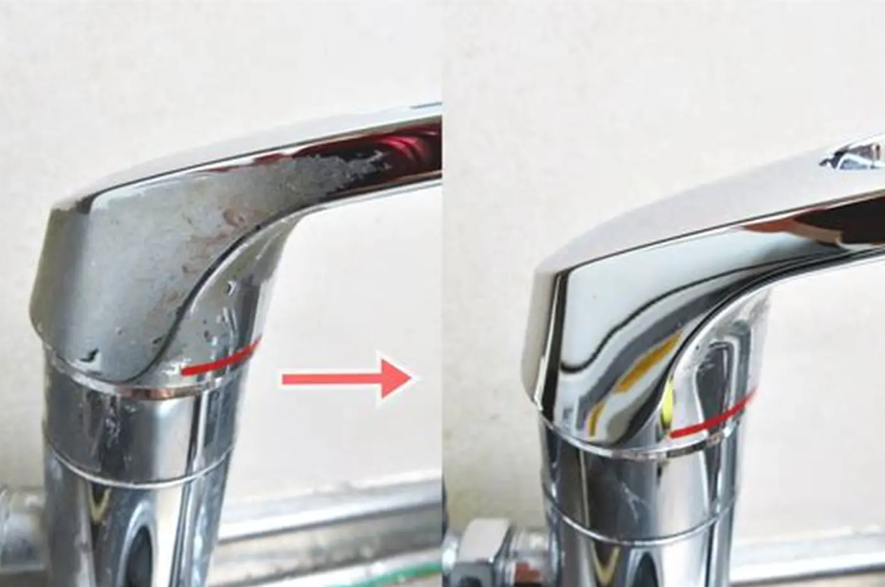
On a clean, well-prepared chrome faucet, water may bead into small droplets and roll off more easily. This can help prevent wide white streaks from forming. Some marks may still appear, especially in areas with very hard water, but they may be easier to wipe away.
The wax coating may last anywhere from a few days to a couple of weeks. How long it holds up depends on how often the faucet is used, how hot the water is, and how frequently the surface is cleaned. Wax tends to wear off faster on a kitchen faucet because it gets handled and wiped down more often.
In the bathroom, the effect may last longer if you keep water from splashing onto the faucet after a shower. Even with a protective film, a quick wipe with a dry cloth can help preserve the shine. It takes only a few seconds and may save you from a bigger cleanup later.
What to Avoid When Cleaning Faucets
Avoid harsh scouring powders, metal scrubbers, and cleaners with aggressive acids when caring for chrome faucets. These products can damage the finish, particularly if it already has small scratches or worn spots.
Never mix vinegar, citric acid, bleach, or other cleaning products. Even familiar cleaners can produce irritating fumes when combined. Wear gloves if needed, ventilate the room, and test any cleaning solution on a small, inconspicuous area first.
Take extra care with painted, matte black, and other specialty finishes. A plain candle may be suitable for some chrome faucets, but manufacturers use different materials and coatings. Check the faucet care instructions and test the candle method on a hidden spot before treating the entire surface.
Simple Habits to Keep a Faucet Shiny
A wax treatment works best alongside a few easy habits. After using the faucet, wipe away splashes with a soft microfiber cloth. It removes moisture quickly without scratching the finish.
Clean the aerator periodically. If mineral deposits clog it, water may spray in different directions and splash across the faucet. If your faucet’s instructions allow it, remove the aerator, soak it in a mild citric acid solution, rinse it well, and reinstall it.
Also check for leaks around the connections. A slow drip can wear away any protective coating and leave mineral deposits in the same spot again and again. Sometimes a faucet looks dirty not because it needs more cleaning, but because a washer or seal needs attention.
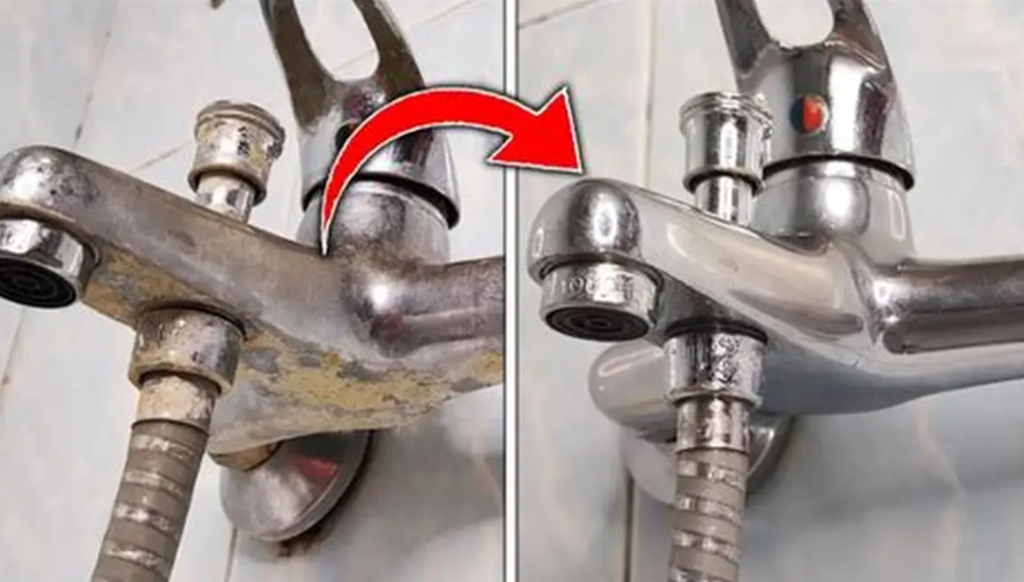
Wax won’t remove old stains or replace regular faucet care. But if you clean the faucet thoroughly, dry it completely, and apply just a little wax, water may be less likely to linger on the metal. The faucet can stay neat for longer, and everyday cleaning may feel much easier.
Have you ever tried rubbing a faucet with a plain candle?