
Sometimes the house seems perfectly clean: the floors are freshly mopped, everything is put away, and there’s no obvious dust on the furniture. Then I wipe the wall beside a light switch with a pale cloth — or catch a glimpse of the ceiling in the light from a window — and notice what I’ve been missing. Grime doesn’t always stand out, but over time it can make a home feel less fresh and cared for.
Walls and ceilings rarely make it onto the weekly cleaning list, and that’s perfectly fine. Keeping a home clean shouldn’t become a never-ending chore. It helps to know which areas collect dirt faster than we might expect — and how to clean them without streaks, damaged paint, or unnecessary chemicals.
Why Does Dust Settle on Walls?
Dust doesn’t settle only on shelves and tables. It travels through the air and collects on vertical surfaces, around radiators and vents, near doorways, and in upper corners. Dust on a white ceiling may be hard to see, but it can gradually dull the surface and make a room seem less bright.
In an average bedroom or living room, a thorough wall cleaning is usually needed once or twice a year. That’s often enough if no one smokes indoors, there are no young children or long-haired pets, and there isn’t ongoing construction nearby. Between deep cleans, use a vacuum with a soft brush attachment or a long-handled duster to remove dust from corners and along baseboards.
Ceilings need a gentler touch. They rarely need a full wash; dry cleaning is usually enough to remove dust and cobwebs. Be especially careful with stretch ceilings, whitewashed surfaces, and matte paint. Scrubbing too hard or using a rough sponge can leave shiny spots, streaks, or other visible marks.
The Entryway: Where Clean Walls Get Dirty Fast
The entryway is the first place to collect whatever we bring in from outside: dust from shoes, raindrops, sand, stroller-wheel marks, wet umbrellas, bags, and shopping totes. The walls here often pick up more than a light layer of dust. You may see streaks, fingerprints, and dark scuffs near the door.
That’s why it’s better to clean entryway walls as needed rather than wait for a set date. When a mark appears, it’s usually easier to remove it right away with a damp cloth than to scrub at a set-in stain later. Areas around light switches and door handles, beside the shoe rack, and at hand height tend to get dirty most quickly.
If your walls have washable paint, vinyl wallpaper, or decorative plaster with a protective finish, try warm water with a small amount of mild cleaner. Test it on a hidden spot first. Paper wallpaper, delicate paint, and textured finishes don’t handle excess moisture well. For those surfaces, use a dry cloth, a soft wallpaper-cleaning eraser, or a gentle pass with a vacuum.
The Kitchen: Grease Builds Up Even When You Cook Carefully
Kitchen walls can get dirty even if you’re a careful cook. Tiny droplets of grease become airborne during frying, steam settles on nearby surfaces, and a sticky film can gradually build up around the stove. Dust clings to it, leaving the wall looking dull.
As part of your regular kitchen cleaning, wipe down the backsplash and the wall around the stove about once a month. If you cook often — especially if you fry food — clean the backsplash and nearby surfaces more frequently, ideally once a week. It only takes a few minutes and can prevent grease from building into a stubborn layer that plain water won’t remove.
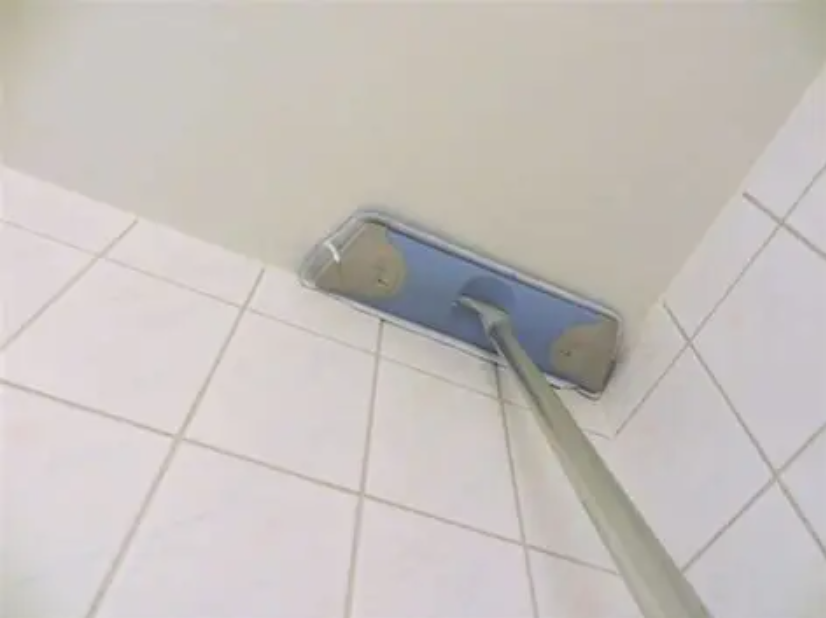
Tile, glass backsplashes, and washable wall panels can usually be cleaned with a gentle degreaser. Instead of spraying cleaner directly onto the wall, apply it to a damp cloth. Wipe the surface, remove any residue with a clean cloth and water, then dry it. Abrasive powders and steel wool can scratch glossy finishes, leave cloudy streaks, or damage the surface.
I’d also keep an eye on the upper walls and ceiling above the stove. Even a good range hood doesn’t catch everything, so it’s worth checking these areas every few months. If the ceiling has turned yellow or feels sticky, dry dusting won’t be enough. Use a very gentle damp-cleaning method that’s suitable for the finish.
The Bathroom: Cleanliness Also Helps Prevent Mold
Moisture is the main cause of bathroom grime. After a shower, water droplets remain on the walls, and dark buildup can develop in tile grout, around the tub, and near the ceiling. It doesn’t just look unpleasant: ongoing dampness can create conditions for mold to grow.
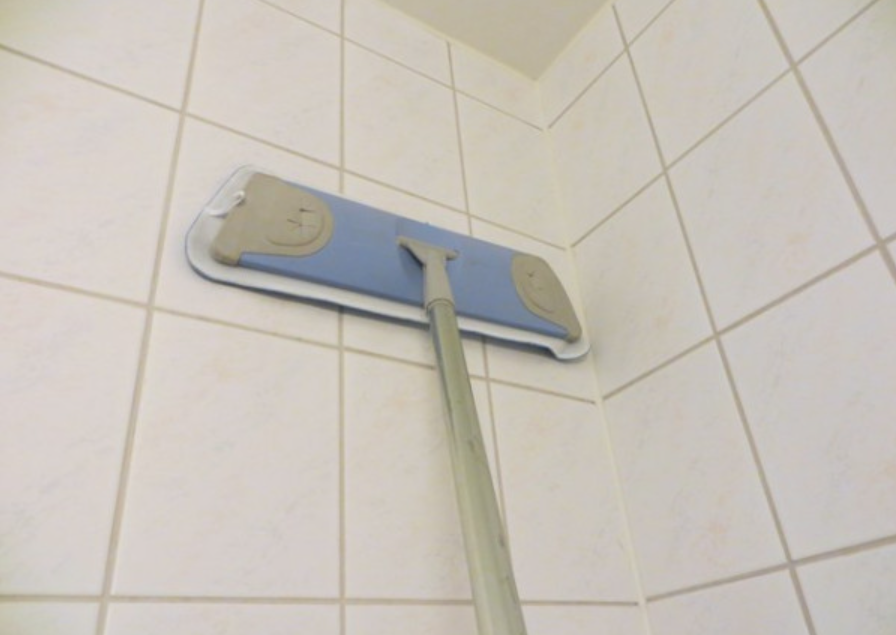
Regular bathroom cleaning helps prevent buildup from becoming difficult to remove. After using the shower or tub, rinse the walls if needed and wipe them down with a squeegee or dry cloth. Give the grout and bathroom fixtures a thorough clean at least once a month.
After a shower, leave the door slightly open and run the exhaust fan. If ventilation is poor, moisture can linger on the ceiling and in the corners, where gray or black spots may appear. Don’t simply paint over them. Clean the affected area with a product suitable for the surface, let it dry completely, and address the source of the moisture.
Living Areas: No Need to Overdo It, but Do Pay Attention
Walls in bedrooms, kids’ rooms, and living rooms don’t need frequent washing. A seasonal deep clean is usually enough, with spot cleaning whenever something gets marked. Fingerprints around switches, drink spills, pencil marks, and muddy paw prints are much easier to remove while they’re fresh.
If you have children at home, keep a soft microfiber cloth and a cleaner suitable for your wall finish within easy reach. But resist the urge to scrub hard: sometimes a faint stain is less noticeable than the mark a sponge leaves on matte paint. First, gently wipe the area with a slightly damp cloth without cleaner, then check the result.
Routine ceiling cleaning in living areas usually means removing cobwebs from corners and dust from around light fixtures. A clean, dry mop head or a vacuum on low suction can make the job easier. Before damp-cleaning a ceiling, check whether the finish can handle water. Lime whitewash, some water-based paints, and certain types of wallpaper can be damaged by moisture.
Simple Tips for Easier Wall and Ceiling Cleaning
⦁ Start with the mildest option. Warm water and a soft cloth are often enough. Strong cleaners are best reserved for grease, mold, or stubborn stains. Always follow the product directions and ventilate the room.
⦁ Work from top to bottom. Dust and debris from ceilings and upper walls will fall, so clean the floors last.
⦁ Rinse your cloth often. A dirty cloth can spread grime and leave streaks instead of removing them.
⦁ Don’t forget light switches, door trim, handles, and the areas around radiators. They collect fingerprints and gray dust, even though they’re easy to overlook during a quick tidy-up.
⦁ Test any cleaner in a hidden spot before using it across a larger area.

Clean walls and ceilings don’t require daily effort. A sensible routine and a gentle approach can keep them looking fresh without damaging the finish. Which areas of your home seem to get dirty the fastest?