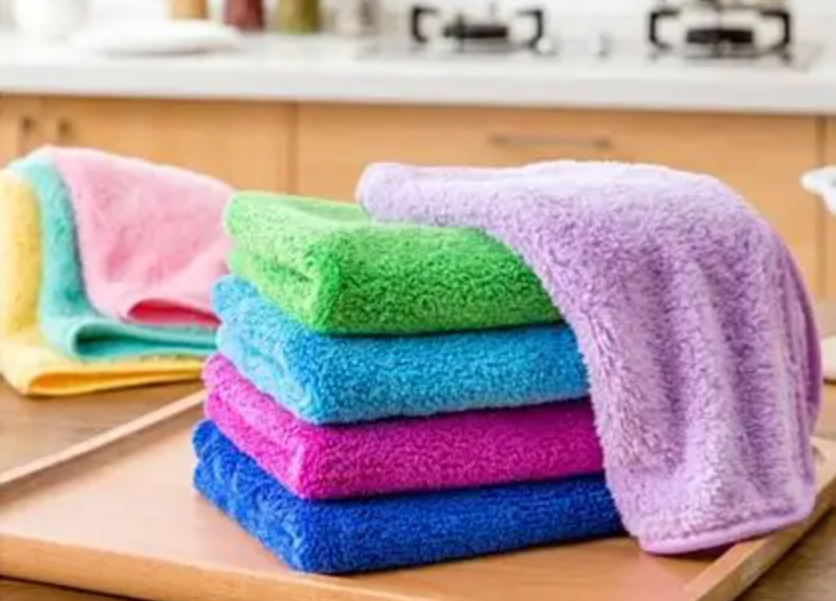
At first glance, a microfiber towel looks like an ordinary soft cloth — easy to lose among the bath towels and dishcloths. But I’ve noticed I reach for mine more often than I expect: to wipe a mirror, catch a few drops on the counter, or dry my hair without the rough feel of a thick terry towel.
Some household items don’t seem special when you buy them, but quietly make everyday life easier. Microfiber towels are one of those things. The key is to use them for the right jobs, wash them regularly, and remember that no single cloth can do everything.
1. Clean Glass and Mirrors Without Lint
Microfiber is made from very fine synthetic fibers that pick up moisture, dust, and small particles. A good-quality cloth usually leaves little to no lint on smooth surfaces. That’s why microfiber is so handy for cleaning windows and mirrors: you don’t have to keep checking the glass from different angles and wiping away streaks.
For everyday cleaning, plain water is often enough. Lightly dampen the cloth, wring it out well, and wipe down a mirror, shower door, chrome faucet, or phone screen. If the surface is especially wet, use a second, dry cloth to remove the remaining moisture and leave a clean finish.
For windows with rain marks, outdoor dust, or greasy fingerprints, you may need a suitable glass cleaner. A dry microfiber cloth makes a useful final pass and helps remove hazy streaks. Keep a separate cloth for glass and mirrors — grease from the stovetop can leave a cloudy film behind.
2. Keep the Kitchen Tidy with Fewer Paper Towels
Microfiber comes in handy in the kitchen because it absorbs moisture and can pick up greasy residue better than many ordinary fabrics. I keep separate microfiber cloths for the kitchen to wipe down counters after cooking, catch splatters near the stove, and dry the sink. They’re reusable, so I don’t have to reach for paper towels every time.
Warm water can help loosen fresh grease. But for a heavily soiled range hood, burner grate, baking sheet, or stovetop, a cloth alone may not be enough. Baked-on grease needs an appropriate cleaner, time to work, and careful scrubbing. Microfiber is a helpful part of the process: it can wipe away loosened grime, is gentle on many smooth finishes, and gets into corners easily.
A separate cloth is useful for stainless steel, too. Fingerprints, water spots, and streaks show up quickly on refrigerators, ovens, and sinks. A well-wrung damp cloth removes many marks; a dry one helps buff the surface. Wash kitchen cloths regularly — otherwise, they can develop unpleasant odors.
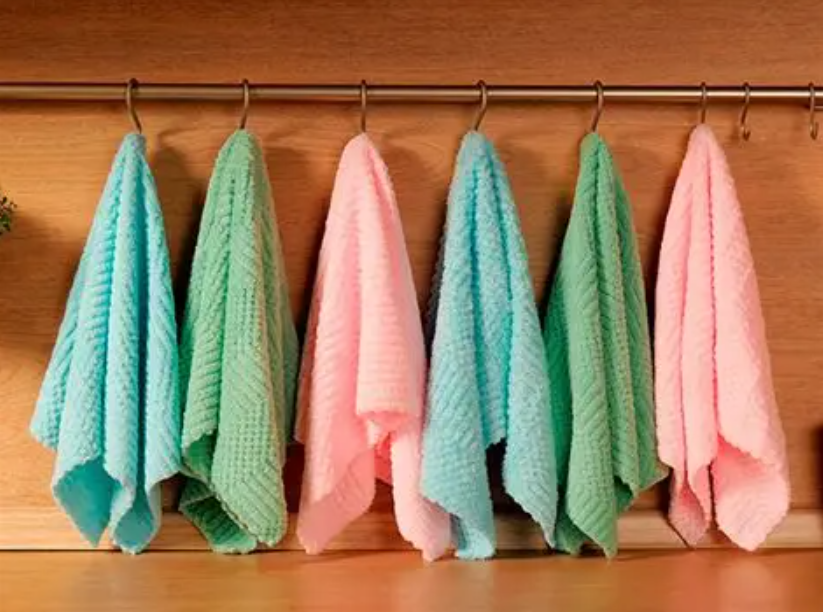
3. Dry Your Hair Gently
Many of us are used to rubbing our hair briskly with a terry towel, but wet hair is more fragile and can stretch, tangle, or break more easily. Microfiber hair towels are popular because they feel soft and absorb excess water without requiring vigorous rubbing.
After washing, gently blot your hair instead of twisting it tightly. You can wrap it in a lightweight microfiber towel for a few minutes, then style it as usual. This can be especially comfortable for people with long, color-treated, or curly hair. Less rubbing may also help reduce frizz.
For curly hair, some people use a technique called “plopping,” wrapping damp curls in a soft T-shirt or microfiber towel to help maintain their shape as they dry. Whatever method you choose, use a clean towel reserved for hair, and let it dry thoroughly between uses. Never use a cloth on your hair if you’ve used it to wipe the bathroom or furniture.
4. Pick Up Pet Hair, Dust, and Pollen
If you have a cat or dog, you probably know the feeling: you put on a dark sweater, and it’s covered in light-colored fur moments later. A slightly damp microfiber cloth can help lift pet hair from a couch, chair, throw blanket, or clothing. It’s gentle on many upholstery fabrics and can be a handy alternative to reaching for a lint roller every time.
You can also use a microfiber towel to wipe shoes, bags, and a stroller after being outdoors. During pollen season, pollen and road dust can cling to the things we bring inside. A cloth won’t replace allergy treatment or vacuuming, but regularly wiping down frequently used items may help remove some of the dust and pollen on their surfaces.
Avoid waving a dry cloth around the room while dusting: that can stir particles into the air, where they may settle again later. A slightly damp microfiber cloth picks up fine dust more gently. Rinse it as needed so you don’t simply transfer grime from one surface to another.
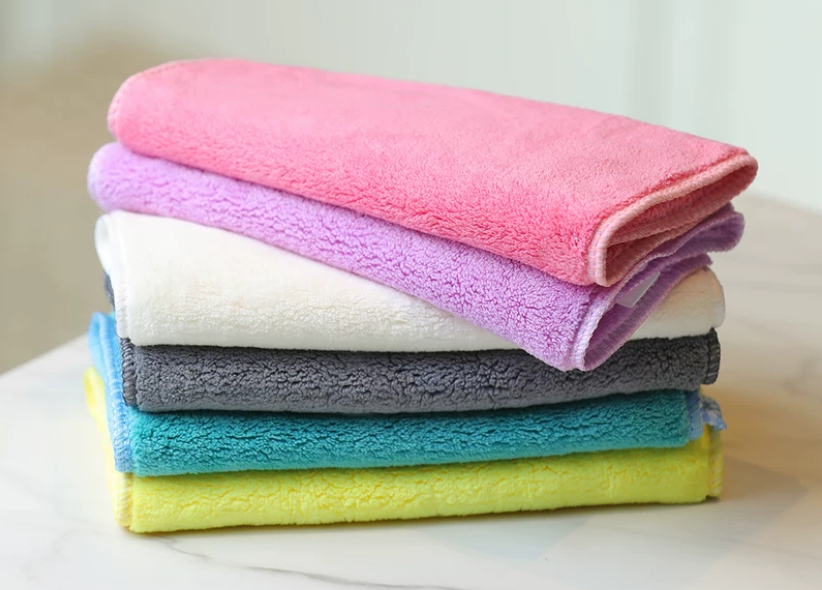
5. Use a Separate, Soft Cloth for Your Face
Very soft microfiber cloths are sometimes used to remove light makeup, sunscreen, or everyday dirt. A damp cloth may be enough for some products, but it won’t necessarily remove waterproof mascara, long-wear foundation, or other stubborn makeup. For those, you may need a suitable makeup remover.
Choose a cloth with a soft texture and smooth edges, and don’t scrub. The skin around the eyes is particularly delicate, so use gentle strokes. Wash the cloth promptly after use: makeup and skin oils can build up in the fabric.
It’s best to keep a separate set of cloths for your face, away from kitchen and cleaning towels. It’s a simple habit that makes your skincare routine more hygienic and pleasant.
6. Wash Microfiber Properly to Keep It Absorbent
Knowing how to wash microfiber towels helps them stay useful for longer. You can wash them by hand or in the washing machine with regular laundry detergent, but skip fabric softener. Softener can coat the fibers and make the cloth less effective at picking up water and grease.
Avoid washing microfiber with cotton terry towels, fleece blankets, or linty clothing. Loose fibers can cling to the microfiber and make it less effective for cleaning glass. Use a moderate water temperature and follow the care label; excessive heat can shorten the life of synthetic fibers.
Microfiber towels don’t need ironing. After washing, shake them out and let them air-dry away from a hot radiator. If a cloth becomes stiff, stops absorbing well, or holds onto an odor even after a thorough wash, it may be time to replace it — or save it for the messiest household jobs.
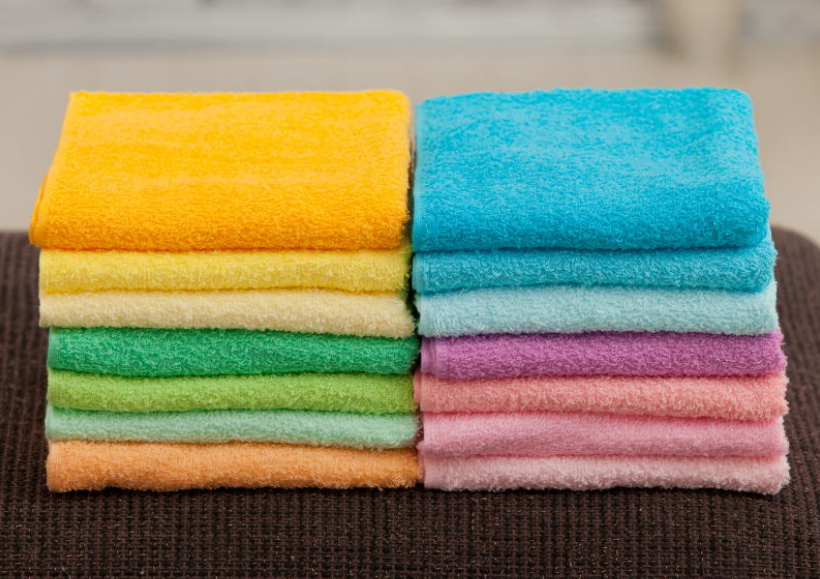
7. Keep Different Cloths for Different Jobs
Microfiber doesn’t replace good cleaning products, regular vacuuming, or a tidy home, but it can make everyday chores easier. I like to keep a few cloths in different colors for glass, kitchen surfaces, furniture, hair, and face. That way, I’m less likely to mix them up, and I can reuse them instead of constantly reaching for disposable wipes.
What household task do you find microfiber towels most useful for?